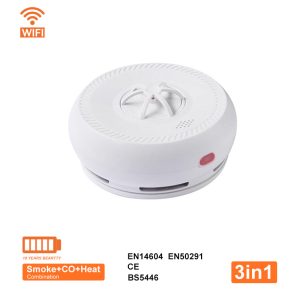
In Australia, home security is never compromised. While traditional smoke detectors remain silent when you’re away, the new generation of WiFi-enabled smart smoke detectors is redefining home safety—they not only emit a deafening siren when smoke is detected, but also send emergency notifications to your smartphone instantly, no matter where you are.
Why Choose a WiFi-Connected Smoke Detector?

Imagine this scenario: You’re at the office when your smoke detector suddenly goes off. A traditional alarm can only disturb the neighbors. But a WiFi-enabled smart alarm will immediately send a push notification to your phone, allowing you to act quickly—contact a neighbor, notify the fire department, or check the situation via a connected camera.
This “dual alarm” system (on-site audible and visual alarm + remote mobile notification) is at the heart of modern home security. In Australia, these products must also comply with the stringent AS3786:2014 standard to ensure their reliability and effectiveness.
Anka Security recommends the following mainstream options in the Australian market:
1. FirePro Connect Series:
A popular product available at Bunnings, offered in both 240V mains power and 10-year lithium battery versions. Its wireless connectivity supports networking of up to 20 devices, allowing for home-wide response to a single alarm. WiFi alarm functionality on some models enables remote monitoring.
2. Red Smoke Alarms R10RF:
A highly compliant option fully compliant with Queensland’s new regulations for 2022. Utilizing a 10-year sealed lithium battery and RF wireless technology, it is designed to meet the most stringent Australian standards.

3. Smart System Enhancement Solutions:
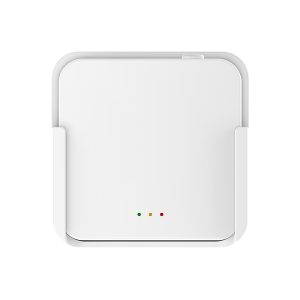
Emerald SafeLink WiFi Gateway: Upgrades traditional RF wireless alarms to smart systems, enabling push notifications to your mobile phone.
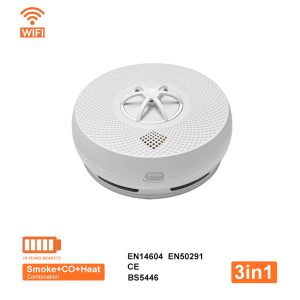
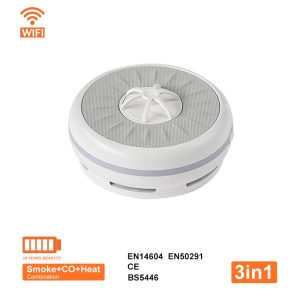
Anka AJ76X Series WiFi Smoke Detector: Provides real-time alerts and system status monitoring via a dedicated app.
PSA Wireless Series: Photoelectric smoke detectors compliant with Australian standards, offering a 10-year battery life to eliminate the hassle of frequent replacements.
Four Key Features to Consider When Purchasing
① Certification Compliance is the Bottom Line
Ensure the product clearly states “Compliant with AS3786:2014 standard.” This is the safety threshold for smoke detectors in Australia; any product lacking this certification should not be considered.
② Photoelectric Sensors are Now Standard
Compared to traditional ionization sensors, photoelectric sensors are more sensitive to smoldering fires (such as slow-burning sofas or overheated wiring). This is a legal requirement in several states, including Queensland.
③ 10-Year Lithium Battery is a Wise Choice
The “install and forget” design concept simplifies home safety maintenance. A sealed 10-year lithium battery means no battery replacement is needed for the entire lifespan of the device, eliminating protection gaps caused by battery depletion.
④ Wireless connectivity is indispensable
In the event of a fire, smoke may not immediately reach your room. A wireless connectivity system ensures that all alarms sound simultaneously, regardless of where they are triggered, giving you precious escape time.

Anka Security Special Reminder: Queensland Homeowners Please Note
If you live in Queensland and are replacing your old alarm system, the law explicitly requires the installation of:
Photoelectric sensors
10-year sealed lithium battery
Connectivity (wireless or hardwired)
A connected 10-year battery unit that meets these requirements is not only a compliant choice but also the ultimate commitment to your family’s safety.
Finally, Anka Security offers the following installation and maintenance advice:
Even the most advanced alarms require proper installation to function:
Install alarms outside each bedroom, in hallways, and on each floor.
Avoid installing alarms near kitchen, bathroom doors, or vents to reduce false alarms.
Test all alarms monthly.
Gently clean the alarm surface with a soft brush every six months.
Replace the alarms as recommended after ten years, regardless of whether they are still functioning properly.