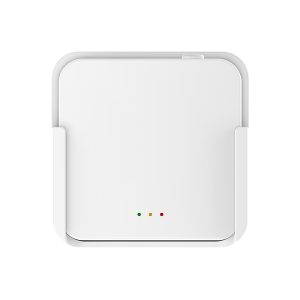
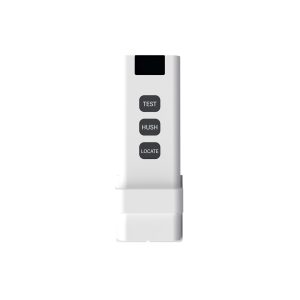
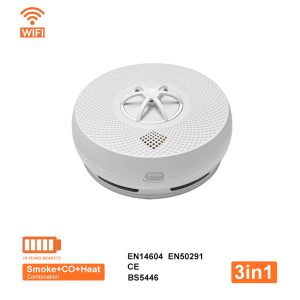
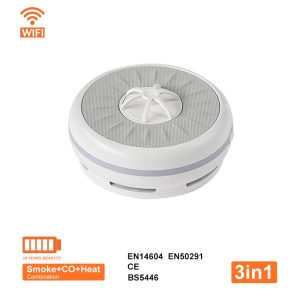
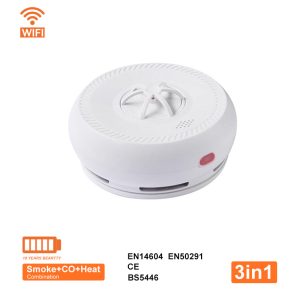
Wireless interconnected smoke alarms with 10-year batteries provide maintenance-free, whole-home protection by triggering all units if one detects danger, without needing hardwiring or frequent battery changes. Leading options include Anka AJ76X series, X-Sense (SC06-W/Link series)Kidde (RF-SM-DC), and Quell (Q4000), which typically use photoelectric sensors and radio frequency to connect up to 20-30 units.

Top Wireless Interconnected 10-Year Smoke Alarms:
Anka AJ76X Series:Photoelectric smoke detector alarm, 10-year backup lithium battery, certified to the standards of AS3786 and EN14604, Easy to install and reliable.
X-Sense (SC06-W/Link Series): These units often combine smoke and carbon monoxide (CO) detection, featuring a 10-year sealed lithium battery and a wireless network range of up to 980 ft.
Kidde Wireless Battery Powered Alarm (RF-SM-DC): Provides a 10-year battery, wireless interconnection, and a smart touch button to silence nuisance alarms.
Quell Q4000: Features a 10-year battery with voice alerts, designed to wake children more effectively.
Red Smoke Alarms (R10RF): Offers a 10-year sealed lithium battery that can be interconnected with up to 20 other units.
DFGJLVF/KLTsenaife (Amazon Alternatives): These brands provide wireless, 10-year battery, interconnected units that are often pre-linked, making for an easier, plug-and-play installation.
Key Features of smoke alarms with 10 year battery:
Interconnection: If one alarm sounds, they all sound, crucial for large homes.
10-Year Sealed Battery: Eliminates the need for annual battery changes.
Photoelectric Sensor: More effective at detecting slow-burning fires.
Easy Installation: No rewiring required; wireless setup.

Safety Tips for Wireless interconnected smoke alarms:
Strategic Installation & Placement:
Coverage: Install alarms inside every bedroom, outside each sleeping area, and on every level of your home, including the basement.
Positioning: Mount alarms high on walls (within 12 inches of the ceiling) or on the ceiling, as smoke rises.
Avoid False Alarms: Keep units at least 10 feet (3 meters) away from cooking appliances, bathrooms with showers, and air vents to prevent nuisance alarms.
Obstructions: Avoid placing alarms near metal objects or structural, metallic wallpaper that can interfere with wireless, radio-frequency signals.
Testing and Maintenance:
Monthly Testing: Test the system monthly by pressing the test button on one unit; it should trigger all interconnected units to sound.
Battery Maintenance: Replace batteries every 6 months, or immediately if a low-battery chirp occurs.
Cleaning: Gently vacuum the outside of each alarm twice a year to remove dust, insects, and cobwebs that can obstruct sensors.
Lifespan: Replace all smoke alarm units 10 years from the date of manufacture.
Operational Safety:
Interconnect Check: Ensure all alarms are connected and communicating before finishing installation.
Handling False Alarms: If an alarm goes off due to cooking, do not remove the battery. Fan the unit or open a window to clear the air.
Emergency Plan: Develop and practice a home escape plan that accounts for the fact that all alarms will sound at once.
Signal Interference: If you remodel, move large furniture, or change the home layout, re-test the system to ensure the wireless mesh network is still effective.