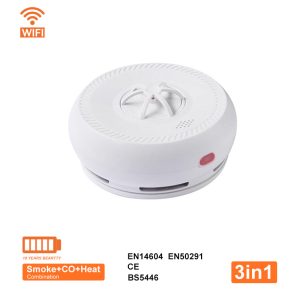
When it comes to protecting your home or business from fire hazards, every second counts. Traditional standalone smoke alarms can be effective, but they have a fatal flaw: if a fire starts in a remote part of the building, the alarm nearest to it might sound, but you won’t hear it if you’re in another room or on a different floor. This is where wireless smoke detectors revolutionize fire safety. In this comprehensive guide, we explore the cutting-edge ANKA AJ76X series and other top-tier options to help you build a robust, interconnected safety network.

What Are Wireless Smoke Detectors?
Unlike traditional hardwired alarms that require complex cabling through walls and ceilings, wireless smoke detectors use radio frequency (RF) signals to communicate with one another. This means they can be installed virtually anywhere without the need for an electrician or destructive remodeling. The core advantage of these devices lies in their ability to create a mesh network of safety, ensuring that a threat detected in one area is immediately communicated to every connected unit in the system.
Key Takeaway: Wireless smoke detectors provide the same whole-home protection as hardwired systems but with the flexibility and ease of a DIY installation.
Spotlight on the ANKA AJ76X Series
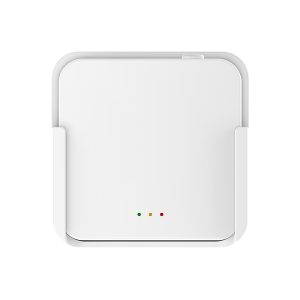
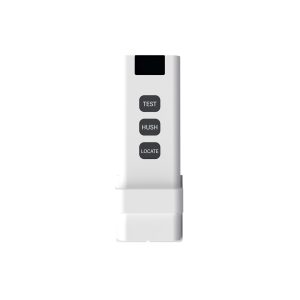
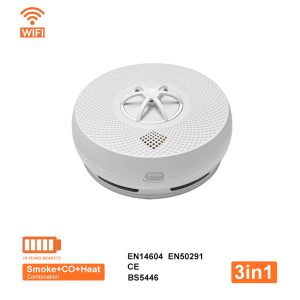
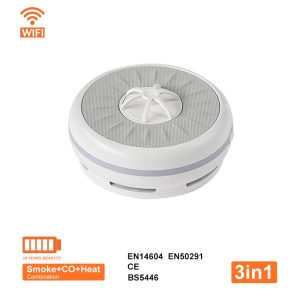
The ANKA AJ76X series smoke detectors are a prime example of modern wireless safety technology. Designed for both residential and light commercial applications, this series sets a high standard for reliability and user convenience. Here’s what makes the ANKA AJ76X series stand out:
1. Seamless Interconnected Safety
The most critical feature of the ANKA AJ76X series is its interconnected capability. Using advanced RF communication, if one alarm detects smoke or heat, every linked unit triggers its 85dB sounder simultaneously. This ensures that everyone in the building is alerted instantly, regardless of where the fire originates. Whether you’re sleeping in a bedroom or working in a basement office, the alarm will be heard loud and clear.
2. Effortless Installation
Gone are the days of drilling through joists and running cables. The ANKA AJ76X units mount to walls or ceilings using basic brackets. Without the need for hardwired cables, you can have a fully functional, multi-unit system up and running in minutes. This makes it an ideal solution for renters, homeowners, and property managers looking to upgrade their safety standards without incurring high labor costs.
3. Fast Localization of Threats
In a high-stress emergency, knowing exactly where the danger is can save precious time. The ANKA AJ76X series includes fast localization features. When an alarm is triggered, the devices flash or signal to indicate which unit initiated the event. This allows you or emergency responders to quickly find the source of the smoke or fire, potentially stopping a small incident from becoming a catastrophe.

Why Choose Wireless Over Hardwired?
While hardwired systems have been the standard for decades, wireless technology has closed the gap in reliability while offering unique benefits:
- No Structural Damage: Install detectors in historic homes, apartments, or finished basements where running wires is impossible or prohibitively expensive.
- Scalability: Easily add new units to your network as your needs change or as you renovate your property.
- Battery Advancements: Modern wireless detectors, including many in the ANKA series, come with 10-year sealed batteries, eliminating the need for annual battery replacements and reducing maintenance headaches.
- Reliability: RF signals are not susceptible to the same power outages that can disable hardwired systems unless they have battery backups.
Exploring Popular Wireless Smoke Detector Options
While the ANKA AJ76X series offers a robust solution, the market is filled with excellent alternatives tailored to different needs and budgets. Here are some of the most popular options available today:
X-Sense: Affordability Meets Reliability
Brands like X-Sense have gained a reputation for producing high-quality, affordable safety equipment. Models such as the XS01-WR or SC06-W offer RF-interconnected smoke and carbon monoxide combination units. These are perfect for homeowners who want comprehensive protection without breaking the bank. Key features include:
- Combo Units: Detect both smoke and CO, reducing the number of devices needed.
- Flexible Power: Options for replaceable batteries or 10-year sealed batteries.
- User-Friendly: Simple test/silence buttons and clear voice alerts in some models.
Honeywell: Commercial-Grade Security
For those who require industrial-strength protection, Honeywell provides commercial-grade wireless sensors. These devices are built for larger facilities, schools, and commercial properties. Their long-range radio frequencies ensure that even sprawling buildings maintain a secure connection between alarms. Additionally, Honeywell systems often integrate with round-the-clock monitoring services, meaning that if an alarm sounds, a professional monitoring center can dispatch emergency services automatically, even if you’re not on-site.
DSC PowerG: Integrated Home Security
If you already have a home security system, the DSC PowerG series offers a seamless integration. These advanced wireless fire and heat detectors connect directly into home security panels. This means your fire safety is part of a larger ecosystem that includes burglary detection, environmental monitoring, and smart home automation. The PowerG technology is known for its robust signal encryption and long battery life, making it a favorite among security professionals.

How to Choose the Right Wireless Smoke Detector
Selecting the best wireless smoke detector for your needs involves considering several factors:
- Coverage Area: Measure your home to determine how many units you need. Most experts recommend placing detectors in every bedroom, outside sleeping areas, and on every level of the home.
- Power Source: Decide between replaceable batteries (cheaper upfront) and sealed 10-year batteries (convenient and maintenance-free).
- Interconnect Limit: Check how many units can be linked together. The ANKA AJ76X and similar models typically support up to 20-40 devices in a single network.
- Additional Features: Consider whether you need carbon monoxide detection, voice alerts, or smart home compatibility.
Installation Tips for Maximum Protection
To get the most out of your wireless smoke detectors, follow these best practices:
- Mount High: Smoke rises, so install detectors on ceilings or high on walls (4-12 inches from the ceiling).
- Avoid Dead Zones: Keep units at least 10 feet away from cooking appliances to minimize false alarms, and avoid corners where air circulation is poor.
- Test Regularly: Even with wireless convenience, test your alarms monthly and clean them with a vacuum to remove dust.
- Network Testing: After installation, trigger one alarm to ensure all linked units respond as expected.
The Future of Fire Safety is Wireless
As technology continues to evolve, wireless smoke detectors are becoming smarter and more integrated. The ANKA AJ76X series represents the current gold standard in straightforward, reliable interconnected safety. Whether you choose ANKA, X-Sense, Honeywell, or DSC PowerG, the move to a wireless, interconnected system is one of the most impactful steps you can take to protect your loved ones and property.