

With the increasing number of burglary and emergency cases, installing a comprehensive security system is no longer a luxury—it is a necessity. Modern technology has made advanced security systems more affordable and accessible for homeowners than ever before.

Different types of emergencies require different solutions. Here are the seven essential types of alarms equipped with built-in sensors that you should consider installing to protect your home and loved ones from intruders and environmental hazards.
1. Smoke Alarms
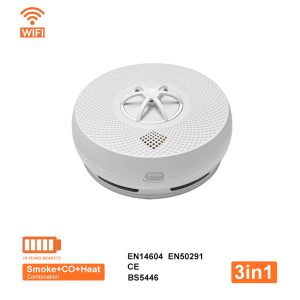
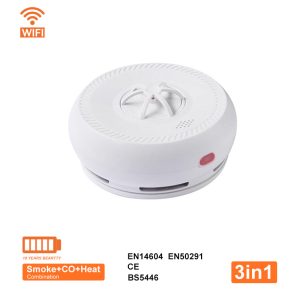
A smoke alarm is a device that senses smoke and provides early warnings in case of a fire. These devices use built-in detectors to trigger visual signals or loud audible sounds. Smoke alarms can be interconnected via a main electrical panel or operate wirelessly with rechargeable batteries. Installing a smoke detection system is a critical safety measure for both residential and commercial properties to prevent hazardous situations.
2. Carbon Monoxide (CO) Detectors
The most effective way to prevent carbon monoxide poisoning is by installing a CO detector. These devices are essential in every home and workplace. Basic models are affordable, plugging directly into electric outlets or running on batteries, making them suitable for larger apartments. For a more connected experience, “smart” detectors can integrate with your home security system and send instant warnings directly to your Android or iOS device.
3. Natural Gas Detectors
Natural gas detectors are designed to detect highly flammable or combustible toxic gases. These sensors play a crucial role in identifying gas leaks or the emission of other poisonous gases before they become a threat. While commonly used in heavy industries like oil rigs, they are also vital for residential homes that use natural gas for heating or cooking.

4. Water Alarms (Leak Detectors)
Water alarms are installed to detect moisture or leaks, helping to prevent water damage. These detectors are incredibly useful when placed near frameworks prone to leaking, such as HVAC units, drain pipes, water supply lines, dehumidifiers, or water tanks. Early detection can save homeowners thousands in repair costs.
5. Radon Detectors
Radon detectors monitor the levels of radon gas in your home. Radon is a naturally occurring radioactive gas that can enter through wall joints, floor basements, and foundations. Long-term exposure to high levels of radon is the second leading cause of lung cancer. Therefore, it is highly recommended to check radon levels frequently. The best radon detectors are portable, display both short-term and long-term readings, and provide high accuracy.
6. Radiation Detectors
A radiation detector is used to track, detect, and identify high-energy particles from both artificial and natural sources, such as nuclear materials or cosmic radiation. Since human senses cannot detect ionizing radiation (which is odorless and colorless), these devices are necessary for safety in specific environments. Different materials are used to manufacture various detectors—such as gas-filled detectors, scintillators, and semiconductor detectors—to serve different monitoring purposes.

7. Propane Heaters & Detectors
While standard propane heaters can produce dangerous carbon monoxide and are not safe for indoor use, there are specially designed propane heaters approved for indoor safety. These are often used in garages or as supplemental heating during power outages. For safety, the radiator is typically mounted on a wall and connected to an external fuel tank. Additionally, specific propane detectors can be installed to monitor gas levels and ensure the heating system operates safely during the winter months.







Leave A Comment