


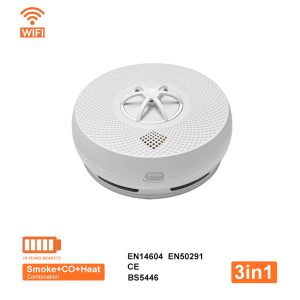
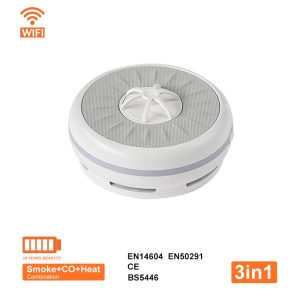
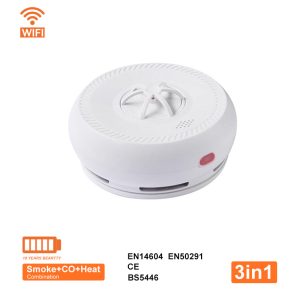
Wi-Fi smoke detectors are worth it for remote alerts, smart home integration, and automatic emergency notifications, but they cost more than traditional models and rely on stable internet. Ideal for tech-savvy households or vacation homes.
Key Benefits
- Remote Alerts: Get phone notifications if smoke or CO is detected, even when away.
- Smart Home Integration: Works with Alexa, Google Home, or Apple HomeKit for voice alerts and automation.
- Self-Testing: Many models (like Nest Protect) run automatic system checks.
- Interconnectivity: Wireless linking to other detectors without hardwiring.
Potential Drawbacks
- Higher Cost: $100–$150 per unit vs. $20–$50 for basic models.
- Wi-Fi Dependency: Requires stable internet; may fail during outages (look for battery backup).
- Privacy Concerns: Some users worry about data collection (e.g., Nest’s microphone).
Best Use Cases
- Vacation Homes: Immediate alerts for fires while the property is empty.
- Elderly/Special Needs: Sends emergency alerts to family members.
- Smart Homes: Integrates with security systems (e.g., turning on lights during alarms).
Top Alternatives
- Z-Wave/Zigbee Detectors: More reliable for smart homes (no Wi-Fi needed).
- Hardwired Interconnected: Cheaper and code-compliant for new construction.







Leave A Comment