


Yes, wireless smoke detectors are generally allowed if they meet local building codes and safety standards. They must be UL-listed and often require interconnection capabilities for full compliance in residential and commercial buildings.
Types of Wireless Smoke Detectors
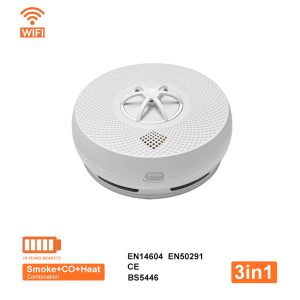
- Battery-Only Wireless Alarms: Standalone units using radio frequency/Wi-Fi
- Interconnected Wireless Alarms: Communicate with each other when smoke is detected
- Smart Smoke Detectors: Connect to home Wi-Fi with mobile alerts (Nest, Ring, etc.)
Code Compliance Requirements
Most jurisdictions follow these standards:
- NFPA 72 (U.S.): Permits wireless interconnection if meeting performance standards
- UL Certification: Required for legal installation (look for UL 217 listing)
- Local Building Codes: Some areas mandate hardwired units in new construction
Key Advantages
- No wiring needed (ideal for older homes)
- Full-home alert system without physical connections
- Smart features like automatic testing and mobile notifications
Important Considerations
- Batteries require replacement (unless 10-year sealed units)
- Signal range limitations between units
- Some cities prohibit wireless-only in new construction
Installation Best Practices
- Verify local fire department requirements
- Choose UL-listed models with interconnection
- Place units on every level and outside sleeping areas
- Test monthly and replace batteries annually







Leave A Comment