

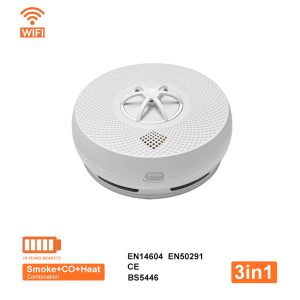
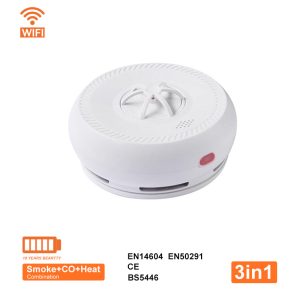
Yes, wireless smoke detectors are required to meet specific standards, such as those established by the National Fire Protection Association (NFPA), and are listed by organizations like Underwriters Laboratories (UL). A key requirement is that they must interconnect, meaning that when one alarm sounds, all other alarms in the unit also sound.
About Wireless Smoke Detector Code Compliance Requirements
Interconnectivity: Wireless smoke alarms must be able to communicate with each other so that a single detection triggers all alarms in the residence.
UL Listing: These devices must be Underwriters Laboratories (UL) listed, confirming that they have been tested for safety and performance.
NFPA Compliance: They must meet the installation, manufacturing, and testing requirements of the NFPA 72 standard.
Local Codes: You must also verify that a specific wireless system complies with local building codes and fire safety regulations.
Benefits of Using a Wireless Smoke Detector System
Flexible Installation: Wireless systems are easier to install, especially in existing homes where wiring can be difficult.
Smart Features: Many wireless models offer advanced features like smart home integration and remote alerting.
Equivalent protection: When properly installed and maintained, wireless systems can provide protection equivalent to or better than traditional wired systems.







Leave A Comment