

The best smoke alarm solution is a combination of photoelectric smoke alarms, interconnected (preferably hardwired), and equipped with 10-year lithium batteries. Photoelectric alarms are more effective at detecting smoldering fires common in homes, while interconnected alarms ensure that all alarms sound no matter where the fire occurs. 10-year lithium batteries eliminate the need to replace batteries every year and reduce the risk of alarm failure due to battery exhaustion.

Here is anka security to explain it in more detail for you:
1. Photoelectric technology:
Photoelectric smoke alarms are generally better at detecting smoldering fires, which are common in residential environments due to synthetic materials in modern furniture.
They trigger the alarm by detecting smoke particles that scatter light onto the sensor.
While ionization alarms may react faster to burning fires, photoelectric alarms provide more reliable and timely warnings for the types of fires common in homes.
Some fire departments and consumer testing organizations, such as CHOICE, recommend giving priority to photoelectric alarms.
2. Interconnected alarms:
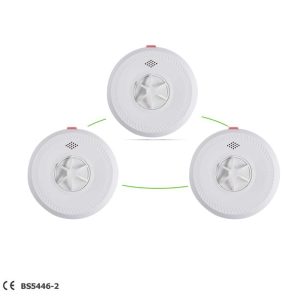
Interconnected smoke alarms ensure that if one alarm detects smoke, all alarms throughout the house will sound.
This is particularly important in larger homes or multi-storey buildings, as a fire in one area may not be immediately noticeable in another.
Interconnected alarms can be hardwired (connected to the house’s electrical system) or wirelessly connected.
Fire and Rescue NSW recommends using both hardwired and interconnected smoke alarms where possible.
3. 10-year lithium battery:
The 10-year lithium battery is sealed and will last the life of the smoke alarm, eliminating the need to replace the battery every year.
This reduces the risk of alarm failure due to battery exhaustion, as well as the hassle of climbing a ladder to replace the battery.
If hardwiring is not possible, the 10-year lithium battery alarm is the next best option.
4. Other considerations:
Dual sensor alarms:
Some smoke alarms combine photoelectric and ionization sensors for comprehensive fire detection.
Heat alarms:
These are recommended for use in kitchens, garages and other areas where smoke alarms may set off false alarms.
Dedicated alarms:
Consider carbon monoxide detectors, especially if you have gas appliances.
Professional installation:
If you are unsure about the installation or need to replace an existing alarm, it is recommended to consult a qualified electrician.
Recommended best smoke detectors in Australia

Dual Tubes Mini Smoke Alarms

AJ-96Series Combination detectors

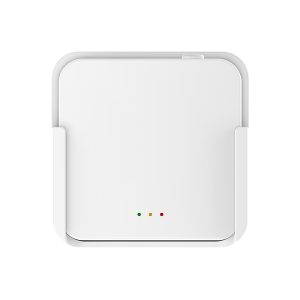
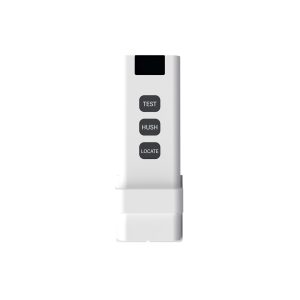
Wireless Interconnected smoke alarm
Heat Detectors

AC Hardwire Mains Powered Smoke Alarm

EN50291 Carbon monoxide detector

10-Years Smoke Alarm (EN14604/AS3786)

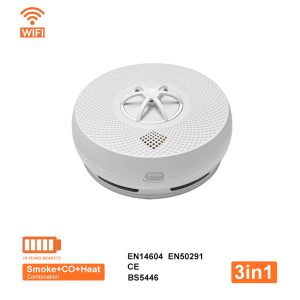
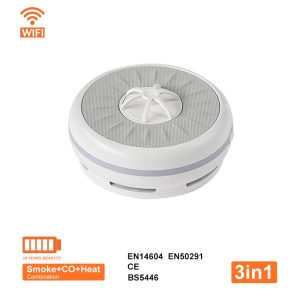
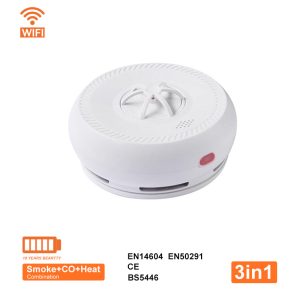
WIFI Smoke Detector

UL2034 Smoke &CO Combo Alarm

ETL UL217 Standard Standalone Smoke Alarm

Vape Detector

NB-IOT Smoke alarm

Zigbee Smoke alarm







Leave A Comment