

The best smoke detectors for reducing false alarms are those that use photoelectric sensors, such as the Google Nest Protect or Anka’s Aj76X model series, and are designed for this purpose. The Nest Protect, a top-tier smart smoke detector, features a voice alarm and a “silence” feature that preemptively silences the alarm, while brands like Anka offer photoelectric models with voice alarms that can help distinguish cooking smoke. For kitchens or garages, a heat alarm can be used because it senses temperature changes rather than smoke, making it less prone to false alarms due to cooking or dust.

Top Recommended Smoke Detectors for Reducing False Alarms
Google Nest Protect: A leading smart smoke detector with a voice alarm that warns you of problems before the alarm goes off, and you can silence it if it’s just cooking. It also provides an alert to your phone and can accurately tell you the location of the smoke. It uses a “split-spectral” sensor that detects smoke well without frequent false alarms.
Kidd Photoelectric Smoke Detectors: Models like Kidd photoelectric smoke alarms are specifically designed to reduce false alarms from cooking fires and other fires. They provide audible alarms that differentiate between fire and low-battery conditions, and some models can be interconnected.

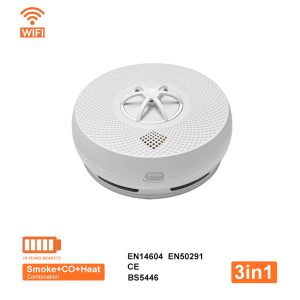
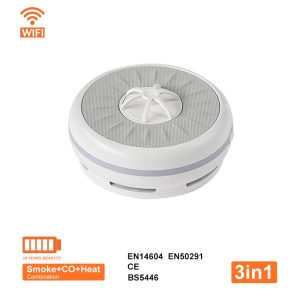
Anka Aj96X Series: These models use photoelectric sensors to reduce false alarms from cooking fumes or steam, and also include a carbon monoxide detector. Their real-time CO level display and long-life battery add to their value.
Heat Alarms: Heat alarms are a good choice for areas like kitchens, garages, or laundry rooms because they are less likely to be triggered by dust, steam, or cooking fumes. They work by detecting a rapid rise in temperature. It’s recommended to interconnect them with smoke alarms so that all units can sound in the event of a fire.
Other Factors to Consider When Buying a Smoke Detector:
Sensor Type: Photoelectric sensors are superior to ionization sensors to avoid false alarms from cooking fumes.
Hardwired: For the most reliable power supply and interconnection, consider hardwired alarms installed by a professional, as they are immune to battery failure and share a dedicated circuit.
Voice Alarm: Models with voice alarms are great for reducing false alarms because they give you a warning before the alarm sounds and can also indicate the location of smoke.
Guidelines for reducing false alarms of smoke detectors
Regular maintenance and upkeep
Cleaning the detector: Dust and debris can cause false alarms. Clean the smoke detector at least once a month with a soft brush or vacuum cleaner.
Test alerts: Test alerts monthly to ensure their proper functioning.
Battery replacement: Even if the device does not display low battery, the battery should be replaced at least once a year.
Replace equipment: Consider replacing the entire smoke detector every 10 years.
Proper installation and placement
Follow the manufacturer’s guidelines: Install smoke detectors according to the manufacturer’s instructions.
Avoid high steam areas: Keep the detector away from kitchens, bathrooms, and other places that are prone to producing steam or smoke.
Repositioning if necessary: If false alarms persist, consider relocating the smoke detector to a more suitable location.
Covering during construction: If construction is in progress, please cover the smoke detector to prevent dust from triggering the alarm.







Leave A Comment