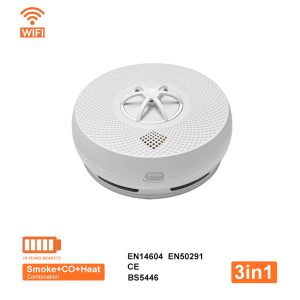
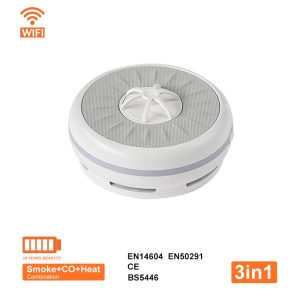
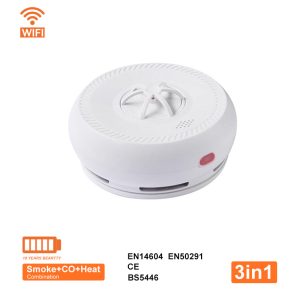
Yes, smoke detectors can be hardwired. This involves connecting them directly to your home’s electrical system for a constant power supply and often allows them to interconnect. Most hardwired models also include a backup battery to ensure they continue operating during power outages.

Anka Security analyzes the advantages of hardwired smoke detectors:
Interconnected Alarms: If one detector detects smoke, all other detectors in the house will sound an alarm, which is especially useful in large or multi-story homes. This provides earlier and wider warnings for everyone, regardless of their location.
Backup Power: The included battery ensures they continue operating even during power outages.
Reliability: Hardwired detectors are powered by the home’s electrical system, making them more reliable than those using batteries alone. They also have a backup battery to ensure continued operation during power outages.
Low Maintenance: Hardwired systems, especially those with 10-year sealed batteries, require less maintenance than battery-only models because you don’t need to replace the batteries annually. The main maintenance is replacing the entire unit every 10 years and performing regular testing. Compliance: Many modern building codes require hardwired, interconnected smoke detectors for new buildings and major renovations.
Fewer false alarms: Hardwired systems are less prone to false alarms because they are less affected by low-battery beeps and can sometimes be interconnected to verify threats.
Tamper-proof: They are less likely to be accidentally disabled by children or others compared to easily removable battery-powered units.