

Yes, steam can set off smoke alarms. Smoke alarms are designed to detect smoke particles, which are similar in size and composition to those in steam. This can cause false alarms, especially with older or ionization-based smoke detectors. Modern photoelectric smoke alarms are generally better at distinguishing between smoke and steam.
Reasons Steam Triggers False Alarms
- Similar particle size: Both smoke and steam contain tiny particles that smoke alarms can detect.
- Ionization detectors: Older ionization smoke detectors are particularly susceptible to false alarms from steam.
- High humidity: High humidity and condensation can also set off false alarms.
How to Prevent Steam-Related False Alarms
1. Improve Ventilation
Make sure bathrooms and kitchens are well ventilated, especially when steam is produced. Use exhaust fans or open windows to reduce humidity buildup.
2. Strategic Detector Placement
Mount smoke detectors at least 10 feet (3 meters) away from steam sources like showers, dishwashers, and stoves. Avoid installing alarms directly above heat sources.
3. Upgrade to Photoelectric Technology
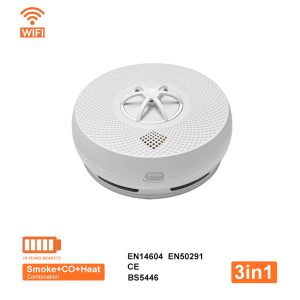
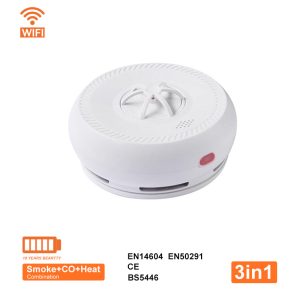
Consider replacing ionization detectors with photoelectric smoke alarms, which use light detection to better distinguish between smoke particles and steam/condensation.
4. Use Silence Feature Temporarily
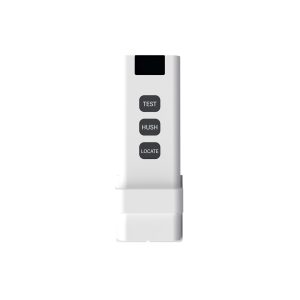
If a false alarm occurs, press the “Silence” button to temporarily disable the alarm. For persistent issues, relocate the alarm or address the steam source.







Leave A Comment