


Yes, you absolutely can have wireless smoke detectors in your home! Modern wireless smoke alarms offer flexible installation, smart features, and reliable protection without the need for complex wiring. This comprehensive guide explains everything you need to know about wireless smoke detection systems and how they can enhance your home safety.
How Wireless Smoke Detectors Work
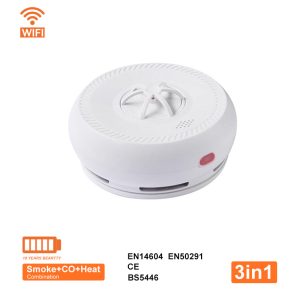
Wireless smoke detectors use radio frequency (RF) or WiFi technology to communicate instead of physical wires:
Key Technologies Behind Wireless Smoke Alarms
- RF Communication: Uses proprietary protocols (like 433MHz or 915MHz frequencies)
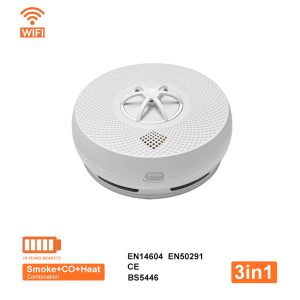
- WiFi Connectivity: Connects directly to your home network for smart features
- Battery Power: Typically lithium batteries with 5-10 year lifespans
- Interconnectivity: Wireless signals link multiple detectors together
if (smokeDetected) {
triggerLocalAlarm();
if (wirelessConnected) {
sendSignalToOtherUnits();
if (wifiAvailable) {
sendCloudNotification();
}
}
}
Types of Wireless Smoke Detectors
| Type | Communication Method | Best For | Battery Life |
|---|---|---|---|
| RF Interconnected | Proprietary radio frequency | Whole-home protection without wiring | 5-10 years (lithium) |
| WiFi Smart Detectors | Home WiFi network | Remote alerts and smart home integration | 1-3 years (varies by model) |
| Hybrid Systems | Combination of wired and wireless | Expanding existing wired systems | Wired with battery backup |
| Zigbee/Z-Wave | Smart home protocols | Integrated smart home ecosystems | 3-5 years |
Benefits of Wireless Smoke Detectors
1. Easy Installation Without Wiring
Wireless detectors can be mounted anywhere with just screws or adhesive strips:
Choose optimal locations (typically ceilings or high on walls)
Mount the bracket using included hardware
Insert batteries (if required) and attach the detector
Test the unit and pair with other detectors
2. Smart Features and Remote Alerts
WiFi-enabled models offer advanced capabilities:
- Instant smartphone notifications when alarms trigger
- Real-time status monitoring from anywhere
- Integration with voice assistants (Alexa, Google Assistant)
- Automated emergency responses through smart home systems
when (smokeDetector.alert) {
smartLights.flashRed();
smartThermostat.turnOffHVAC();
smartSpeakers.announceEmergency();
if (noResponse) {
callEmergencyContacts();
}
}
3. Flexible Placement Options
Wireless technology allows installation where wired detectors can’t go:
- Historic homes where wiring is impractical
- Rental properties where modifications aren’t allowed
- Temporary installations during renovations
- Garages, sheds, or other detached structures
Installation Considerations for Wireless Smoke Detectors
Placement Guidelines
- Install on every level of your home (including basement)
- Place inside each bedroom and outside sleeping areas
- Mount on ceilings or high on walls (smoke rises)
- Avoid corners where air circulation is poor
- Keep at least 10 feet from cooking appliances to reduce false alarms
Signal Range and Reliability
Most wireless smoke detectors have these specifications:
- Indoor range: Typically 50-150 feet between units
- Obstacles: Walls and floors may reduce effective range
- Frequency: Most use 433MHz or 915MHz for better penetration
- Mesh networks: Some systems relay signals through multiple units
Wireless Smoke Detector Safety Standards
Reputable wireless smoke detectors meet the same safety standards as wired models:
- UL 217: Standard for smoke alarm safety in the US
- EN 14604: European standard for smoke detectors
- NFPA 72: National Fire Alarm and Signaling Code
- Building codes: Most jurisdictions accept wireless detectors when properly installed
Battery Backup Considerations
Even hardwired wireless detectors need battery backups:
- Required by most safety standards
- Typically last 24-72 hours during power outages
- Sealed lithium batteries last up to 10 years
- Low-battery alerts notify you when replacement is needed
monitorBatteryLevel() {
if (batteryLevel < 15%) { triggerChirpAlert(); sendLowBatteryNotification(); } }
Ready to Upgrade to Wireless Smoke Detection?
Explore our selection of UL-certified wireless smoke detectors with various features to match your home’s needs and your preferred smart home ecosystem.
Frequently Asked Questions
Are wireless smoke detectors as reliable as wired ones?
Modern wireless detectors are equally reliable when properly maintained, with the added benefit of not depending on your home’s electrical system.
Do wireless smoke detectors work during power outages?
Yes, battery-powered wireless detectors continue working during outages. Hardwired wireless models with battery backup also remain operational.
Can I mix wireless and wired smoke detectors?
Some hybrid systems support this, but they typically won’t interconnect with each other – check manufacturer specifications.
How often do wireless smoke detectors need maintenance?
Test monthly, clean every 6 months, and replace batteries as needed (or every 10 years for sealed lithium units).
Do wireless smoke detectors interfere with WiFi?
Quality devices shouldn’t cause interference, as they typically use different frequencies than WiFi (like 433MHz or 915MHz).
Conclusion: Wireless Smoke Detectors Are a Viable Option
Wireless smoke detectors have evolved into reliable, code-compliant safety devices that offer installation flexibility and smart features impossible with traditional wired systems. Whether you choose simple RF-interconnected units or full-featured WiFi smart detectors, wireless technology makes it easier than ever to protect your home and family from fire dangers.
With proper selection, installation, and maintenance, wireless smoke detectors can provide equivalent or superior protection to wired systems, especially in homes where running wires would be difficult or prohibitively expensive. The convenience of wireless installation combined with advanced smart features makes them an excellent choice for modern home safety.







Leave A Comment