

In the fire alarm and firefighting industry, there are various standards, approvals, and marks that specify equipment requirements, design and installation, testing, and maintenance. One of their most famous is the list of NFPA standards of the American Fire Protection Association and the European EN standard, which are also accepted worldwide. The CE mark or the European conformity certificate is one of these things that we will examine in this article from ANKA‘s articles.
What is CE Mark and Certification?
The CE mark is derived from the initials of the French phrase Conformitè Europeenne (European Conformity). This mark has been defined as a mandatory European Union (EU) conformity mark for the regulation of goods in the European Economic Area (EEA) since 1985.
Many products require a CE mark before being sold in the European Union. CE certification indicates that a product has been evaluated by the manufacturer and appears to meet the safety, health, and environmental protection requirements of the European Union. The European Certificate of Conformity is also required for products manufactured anywhere in the world and then marketed in the European Union.
CE certification of fire safety systems
Fire safety measures in buildings are necessary to reduce possible risks to people and goods in the event of a fire. Understanding the combined behavior of the elements involved in the fire is very difficult.
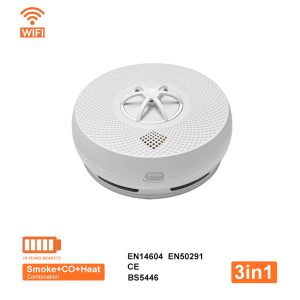
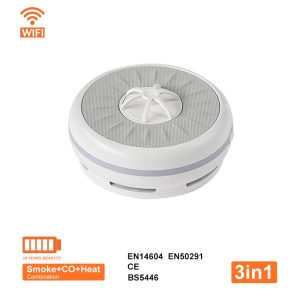
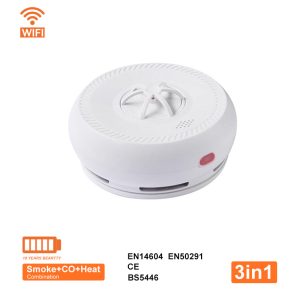
In Europe, fire detection and alarm products must meet the essential safety and performance requirements of the EN 54 Construction Products Regulation, EN 14604 for smoke alarms, and must be CE certified to be legally sold or marketed in EU countries.
The ATEX Directive 2014/34/EU on protective equipment and systems intended for use in potentially explosive atmospheres, such as F&G Systems (fire and gas monitoring systems), details the essential requirements that the product must meet in order for the manufacturer to affix the CE mark. Specifies.








Leave A Comment