

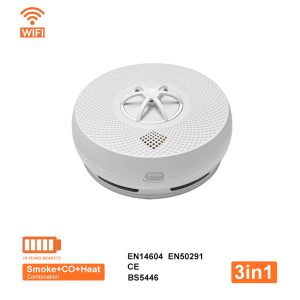
Deaf smoke alarms use visual (flashing strobe light) and tactile (vibrating bed shaker) alarms, not just audible ones. Some systems include low-frequency audible alarms for those with high-frequency hearing loss, and interconnected systems ensure that all alarm devices activate consistently. Look for a high-intensity strobe light suitable for waking sleepers and a system that is easy to test.
Anka Security shares some tips on smoke detection alarms for the deaf:

Types of Deaf Smoke Alarms
Strobe Light Smoke Alarms:
These alarms use a flashing LED strobe light to provide a visual alert. For nighttime use, choose a unit with a high-intensity strobe light, designed to awaken a sleeping person.
Vibrating Bed Shakers:
Also known as bed shakers, these devices are placed under pillows or mattresses and vibrate to wake the user in the event of a fire.
Low-Frequency Smoke Alarms:
For those with specific hearing losses, the low-frequency sound is easier to hear than the high-pitched, piercing sound of a standard alarm.
Interconnected Systems:
For those with severe or profound hearing loss, combining a strobe light and bed shaker in an interconnected system is recommended. When an alarm is triggered, all connected units—lights, vibrators, and audio alarms—activate simultaneously.
Key Considerations
Intensity and Location: Ensure the strobe light is bright enough to be effective, and place the vibration pad where it won’t be accidentally unplugged.
Interconnectivity: For a comprehensive home alarm system, choose alarms that can be connected wirelessly or hardwired together.
Testing: Test the system regularly to ensure all components are functioning properly.







Leave A Comment