

As a facility manager or safety professional, understanding smoke detector lifespan is crucial for maintaining compliance and protecting your building occupants. This comprehensive guide covers everything B2B clients need to know about smoke detector expiration, replacement timelines, and best practices for commercial installations.
Understanding Smoke Detector Lifespan
Yes, smoke detectors do expire, and their effectiveness diminishes over time. Most manufacturers recommend replacing smoke detectors every 10 years from the date of manufacture, regardless of whether they appear to be functioning properly.
Why Smoke Detectors Expire
- Sensor degradation: The sensitive components that detect smoke particles become less effective over time
- Environmental factors: Dust accumulation, humidity, and temperature fluctuations affect performance
- Battery depletion: Even hardwired units have backup batteries that degrade
- Technology obsolescence: Newer models offer improved detection capabilities
Commercial Smoke Detector Replacement Guidelines
For B2B clients managing commercial properties, these are the key replacement considerations:
| Detector Type | Recommended Replacement | Key Considerations |
|---|---|---|
| Ionization | Every 10 years | More sensitive to flaming fires |
| Photoelectric | Every 10 years | Better for smoldering fires |
| Dual Sensor | Every 10 years | Combines both technologies |
| Heat Detectors | 15-20 years | No expiration but should be tested |
Signs Your Commercial Smoke Detectors Need Replacement
Watch for these indicators that your smoke detectors may need replacement before their 10-year lifespan:
- Frequent false alarms without apparent cause
- Yellowing or discoloration of the unit (indicates plastic degradation)
- Difficulty silencing low-battery chirps after battery replacement
- Inconsistent performance during monthly tests
- Manufacturer recall notices for your model
Best Practices for Commercial Properties
1. Maintain a Replacement Schedule
Create a building-wide schedule based on installation dates rather than waiting for failures.
2. Standardize Your Equipment
Using the same models throughout your facility simplifies maintenance and testing.
3. Document All Replacements
Keep detailed records for compliance purposes and insurance requirements.
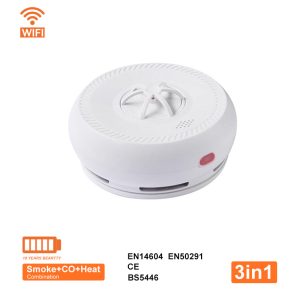
4. Consider Smart Detectors
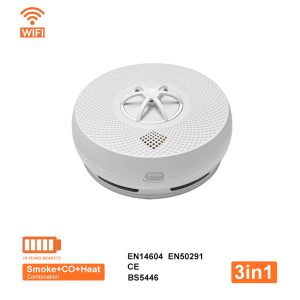
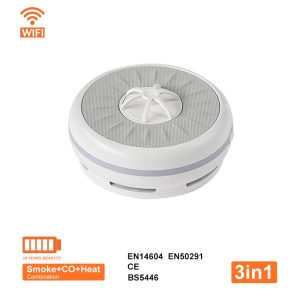
Newer models with network connectivity can provide maintenance alerts and system status.
Regulatory Compliance Considerations
Commercial properties must adhere to:
- NFPA 72 (National Fire Alarm and Signaling Code)
- Local fire codes (varies by jurisdiction)
- OSHA requirements for workplace safety
- Insurance provider specifications







Leave A Comment