


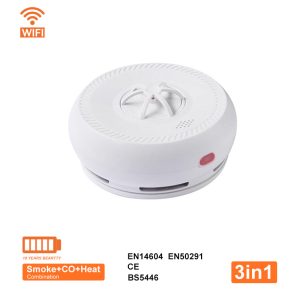
Modern WiFi smoke alarms combine advanced sensor technology with internet connectivity to provide superior home protection. Unlike traditional smoke detectors, these smart devices offer real-time alerts, remote monitoring, and integration with other smart home systems. But how exactly do they work? Let’s explore the technology behind WiFi-enabled smoke alarms.
WiFi Smoke Alarm System Architecture
[Diagram Placeholder: Device → WiFi Router → Cloud Server → Mobile App]
Visual representation of the data flow in a WiFi smoke detection system
Key Components of a WiFi Smoke Alarm
1. Smoke Detection Sensors
WiFi smoke alarms typically use one or both of these sensor technologies:
- Photoelectric sensors: Use light beams to detect smoke particles (better for smoldering fires)
- Ionization sensors: Use radioactive materials to ionize air and detect combustion particles (better for flaming fires)
2. Microcontroller Unit (MCU)
The brain of the device that processes sensor data and makes decisions:
if (smokeLevel > threshold) {
triggerAlarm();
if (wifiConnected) {
sendCloudAlert();
}
}
3. WiFi Connectivity Module
Enables internet connection for remote features:
- Typically uses 2.4GHz WiFi (better range than 5GHz)
- Low-power designs to conserve energy
- Secure protocols like WPA2/WPA3 for data transmission
4. Power System
WiFi smoke alarms use various power configurations:
- Hardwired with battery backup (most common)
- Long-life lithium batteries (5-10 year lifespan)
- Some models support rechargeable batteries
The Step-by-Step Operation of WiFi Smoke Alarms
Smoke Detection
Sensors continuously monitor the air for smoke particles. When smoke enters the detection chamber, it disrupts the sensor’s normal operation (either light beam or ionization current), triggering the detection sequence.
Signal Processing
The microcontroller analyzes sensor data to distinguish between real threats and false alarms (like cooking smoke or steam). Advanced algorithms reduce nuisance alarms while maintaining sensitivity to real dangers.
Local Alarm Activation
If a threat is confirmed, the alarm sounds locally at 85dB or louder, following these patterns:
const smokeAlarmPattern = [beep(0.5), pause(0.5)]; // Repeat 3 times
const coAlarmPattern = [beep(0.25), pause(0.25)]; // Repeat 4 times
Cloud Communication
The device connects to your home WiFi and transmits an alert to the manufacturer’s cloud servers. This typically includes:
- Device ID and location (if configured)
- Type of alert (smoke, CO, or other)
- Timestamp of the event
- Battery status and sensor health data
Mobile Notification
The cloud server pushes notifications to registered mobile devices through the companion app. Most systems use:
- Push notifications for immediate alerts
- Email/SMS as secondary channels
- In-app history logs for event tracking
Smart Home Integration
If connected to a smart home system, the alarm can trigger automated responses:
when (smokeAlarm.triggered) {
smartLights.turnOnAll();
smartLocks.unlockDoors();
securityCameras.record();
thermostat.shutOffHVAC();
}
WiFi Smoke Alarm Communication Protocols
These devices use various methods to stay connected and communicate effectively:
| Protocol | Purpose | Frequency | Data Usage |
|---|---|---|---|
| WiFi (802.11) | Primary cloud communication | 2.4GHz (most common) | ~1MB/month typical |
| Bluetooth Low Energy | Initial setup and local control | 2.4GHz | Minimal |
| Zigbee/Z-Wave | Inter-device communication in some systems | 900MHz/2.4GHz | Minimal |
| Cellular Backup | Emergency communication in premium models | LTE bands | Only during outages |
Advanced Features in Modern WiFi Smoke Alarms
Multi-Sensor Detection
Many WiFi smoke alarms combine multiple safety sensors:
- Photoelectric smoke detection
- Carbon monoxide (CO) detection
- Temperature sensors for rapid rise detection
- Humidity sensors (to reduce false alarms)
- Air quality sensors in premium models
Voice Alerts and Customization
Advanced models offer spoken warnings that can specify:
if (smokeDetected) {
speak(“Warning: Smoke detected in ” + locationName);
} else if (coDetected) {
speak(“Danger: Carbon monoxide detected”);
}
Self-Testing and Diagnostics
WiFi smoke alarms regularly perform self-checks and report status:
- Sensor functionality tests
- Battery level monitoring
- WiFi signal strength checks
- Speaker and alarm sound tests
Security and Privacy Considerations
Since WiFi smoke alarms connect to your home network, security is crucial:
- Data encryption: All communication should use TLS/SSL encryption
- Secure authentication: Requires strong passwords for app access
- Regular firmware updates: Patches vulnerabilities over time
- Local processing: Sensitive decisions (like alarm triggering) happen on-device
- Privacy policies: Reputable brands clearly state how they use your data
Experience Smart Home Protection Firsthand
Now that you understand how WiFi smoke alarms work, discover how they can enhance your home’s safety. Browse our selection of top-rated smart detectors with various features to match your needs.
Frequently Asked Questions
Do WiFi smoke alarms work during power outages?
Hardwired models with battery backup will continue working. Battery-only models will function normally. Cloud features require your router to have backup power.
How often do WiFi smoke alarms communicate with the cloud?
Most devices send periodic “heartbeat” signals (every few minutes) to confirm online status, with immediate alerts when danger is detected.
Can WiFi smoke alarms work without a smartphone?
Yes, they function as regular smoke alarms without a phone, but you’ll miss remote alerts and smart features.
How much bandwidth do WiFi smoke alarms use?
Very little – typically less than 1MB per month under normal conditions.
Can multiple users receive alerts from one device?
Yes, most systems allow multiple family members to be notified through the app.
Conclusion: Smart Technology for Enhanced Safety
WiFi smoke alarms represent a significant advancement in home safety technology. By combining reliable smoke detection with internet connectivity, these devices provide real-time alerts, remote monitoring, and smart home integration that can literally save lives. While more complex than traditional smoke detectors, their operation follows well-engineered principles to ensure reliability when you need it most.
Understanding how these devices work helps homeowners make informed decisions about their home safety systems and appreciate the technology that quietly protects their families every day.







Leave A Comment