

You can detect a natural gas leak by its distinctive “rotten egg” smell, hissing, or whistling sound, or by noticing dead houseplants or bubbles in the water. To confirm a leak, use the soapy water test on visible pipes or purchase a natural gas leak detector. If you suspect a leak, evacuate the building, do not use electronic devices, and contact your gas company from a safe location.
Anka Security shares the following signs of a natural gas leak:

Smell:
Natural gas is odorless, but it has added chemicals called mercaptans that give it a strong, unpleasant odor similar to rotten eggs or sulfur.
Sound:
A hissing or whistling sound may indicate a larger gas leak from a pipe or appliance.
Foam:
If you see bubbles forming in water, such as in a puddle, this may signal a gas leak from an underground pipe.
Dying Plants:
Wild, dead, or dying houseplants may be a sign of a natural gas leak because natural gas interferes with their ability to absorb oxygen.
White Clouds:
Visible clouds of dust or dirt may appear where a natural gas line is leaking. Physical Symptoms:
High concentrations of gas can reduce the oxygen in the air, causing symptoms such as headaches, dizziness, or nausea.
How to Detect a Leak
Soapy Water Test:
For visible connections, mix water and liquid dish soap. Apply the solution to the suspected area. If bubbles form, this indicates a leak.
Gas Leak Detector:
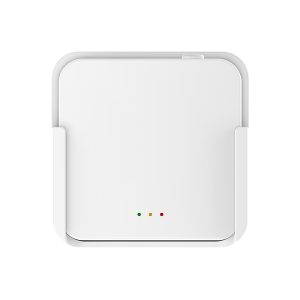
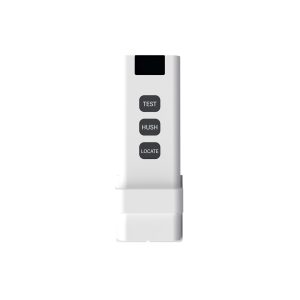
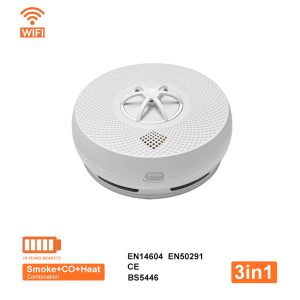
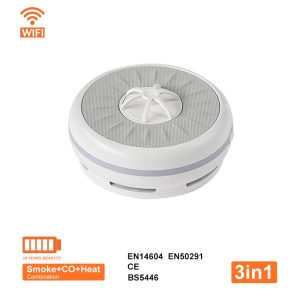
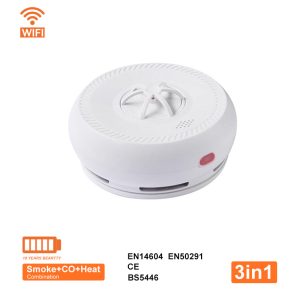
Purchase a portable, plug-in, or combination gas leak detector for continuous monitoring or precise leak location.
What to Do If You Suspect a Leak
1、Do not operate electrical switches or appliances, as these can create sparks and ignite the gas.
2、Leave the area immediately and go to a safe location away from the building.
3、Call your gas company and report the leak from a safe location.







Leave A Comment