

Smoke alarms save lives — it’s a fact backed by decades of fire safety research. According to the National Fire Protection Association (NFPA), the death rate in home fires is approximately 60% lowerin homes with working smoke alarms compared to those without. The good news? They’re incredibly easy to install, and choosing the right one doesn’t have to be complicated. This guide will walk you through everything you need to know to choose the perfect smoke alarm for your home.

Key Takeaway:Every bedroom, hallway, and living area should have a smoke alarm. In multi-level homes, install an alarm on the ceiling at the top of each stairway. Keep alarms away from air conditioners, heaters, fans, bathrooms (steam), and kitchens (cooking fumes) to prevent false alarms.
Where Should You Install Smoke Alarms?
Proper placement is just as important as choosing the right alarm. Here’s where you need them:
- Every bedroom:Install a smoke alarm in each individual bedroom for maximum protection while sleeping.
- Hallways:Place alarms in all hallways, especially those leading to sleeping areas.
- Living areas:Common areas like living rooms, family rooms, and dens should all have coverage.
- Multi-level homes:Install an alarm on the ceiling at the head of each stairway connecting different levels.

Avoid These False Alarm Triggers
To prevent annoying (and dangerous) false alarms, keep smoke alarms away from:
- 🌬️ Air conditioners, heaters, and fans— airflow can interfere with detection
- 🚿 Bathrooms— steam triggers false alarms
- 🍳 Kitchens— cooking fumes and smoke are the #1 cause of nuisance alarms
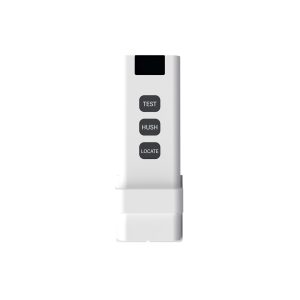
Pro Tip:If you must place an alarm near a kitchen or bathroom, consider a model with a hush buttonthat can silence false alarms for a few minutes without disabling the device entirely.
Types of Smoke Alarms: Which One Is Right for You?
Not all smoke alarms are created equal. Here’s a breakdown of the main types to help you choose:
🔌 Hard-Wired Smoke Alarms
Power Source:Connected directly to your home’s 240V mains power supply, with a battery backup in case of power outages.
Pros:Reliable, no battery changes needed for the backup (rechargeable), whole-home coverage possible.
Cons:Requires a licensed electricianfor installation or replacement — no DIY option.
Best For:Homeowners doing renovations or building new homes.
🔋 Battery-Operated Smoke Alarms
Power Source:Independent battery units — no wiring needed.
Battery Options:
- 10-year lithium-ion:Sealed unit, lasts the life of the alarm
- 9V battery:Replace annually
Pros:Easy DIY installation anywhere, portable, affordable.
Cons:Need regular battery changes (unless 10-year sealed), can be forgotten.
Best For:Renters, older homes without wiring, additional coverage areas.

🔗 Interconnected Smoke Alarms
How They Work:All alarms in the home are linked via mains power or wireless technology. When one detects smoke, every alarm sounds simultaneously.
Pros:Maximum safety — you’ll hear the alarm no matter where the fire starts or where you are in the house.
Cons:Higher upfront cost, hard-wired versions need professional installation.
Best For:Large homes, multi-storey houses, families with deep sleepers or hearing-impaired members.
Why Photoelectric Technology Is the Gold Standard
Whether you choose hard-wired or battery-powered, fire safety experts overwhelmingly recommend photoelectric smoke alarms. Here’s why:
| Feature | Photoelectric | Ionization |
|---|---|---|
| Best at detecting | Smoldering fires (e.g., cigarettes, electrical fires) | Flaming fires (e.g., paper, flammable liquids) |
| False alarms | Fewer nuisance alarms from cooking | More prone to false alarms |
| Response time | Faster for slow-burning, smoky fires | Faster for fast-flaming fires |
| Safety recommendation | ✅ Recommended by fire safety experts | ⚠️ Being phased out in many regions |







Leave A Comment