

In Australia, installing compliant and effective smoke alarms is not only a wise decision to protect your family and property, it’s a legal obligation. Understanding the differences between different types of smoke alarms is the first step to making the right choice. This article will focus on photoelectric smoke alarms, a crucial component of Australian homes, and how they compare to other types.
Why Smoke Alarms Are So Important in Australia
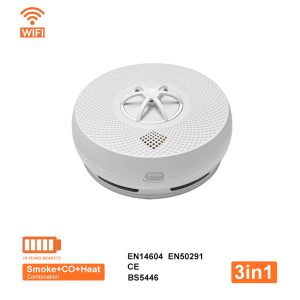
Australia’s Residential Building Code mandates that all homes be equipped with compliant smoke alarms. Properly installed and maintained, these alarms provide critical early warning of a fire, buying your family valuable time to escape. For most modern homes, choosing a mains-powered alarm is the best way to ensure continued protection.
Main Types of Smoke Alarms: Ionization and Photoelectric
There are two main types of smoke alarm technology on the market:
- Ionization smoke alarms: React quickly to tiny, invisible particles produced by open flames. They are better suited to detecting fast-burning fires, such as those caused by paper or grease.
- Photoelectric smoke alarms: Use a light beam to detect smoke particles and are more sensitive to slow-smoldering fires, such as those caused by overheated wiring, smoldering furniture, or textiles.
Why Photoelectric Smoke Alarms Are the Preferred Choice for Australian Homes
For most Australian homes, photoelectric smoke alarms are widely recommended by safety experts for the following reasons:
Effective Detection of Common Household Fires
Fires in modern homes often start with electrical wiring, faulty appliances, or smoldering furniture, which produce large amounts of visible smoke before igniting an open flame. Photoelectric alarms are designed for these situations and provide earlier warnings.
Reduced False Alarms
Compared to ionization alarms, photoelectric alarms are less sensitive to kitchen steam or cooking smoke, resulting in fewer false alarms caused by cooking and greater practicality.
Compliant With Best Practice
Fire departments in all Australian states and territories generally recommend installing photoelectric smoke alarms in living areas such as bedrooms, hallways, and living rooms.
Mains-Powered: Ensures Uninterrupted Protection
While battery-powered alarms offer installation flexibility, mains-powered smoke alarms (connected directly to your home’s electrical circuits) offer greater reliability. Key advantages include:
- No need to replace batteries: You never risk your alarm failing due to a dead battery.
- Continuous power: Even during a power outage, high-quality mains-powered alarms feature a backup battery, ensuring uninterrupted protection.
- Interconnectivity: If your home has multiple mains-powered alarms, they can often be interconnected. When one alarm is triggered, all interconnected alarms sound simultaneously, ensuring a full, complete warning throughout your home.







Leave A Comment