

Smoke detectors are indispensable safety devices, but like all electronics, they eventually reach the end of their lifecycle. Whether you are upgrading your home security system or moving into a new place, knowing how to dispose of old smoke detectors is crucial—not just for safety, but for the environment.

Improper disposal can lead to environmental hazards, particularly concerning the batteries and, in some cases, radioactive materials. This guide breaks down the disposal process based on the type of detector you have.
⚠️ Critical First Step: Before disposing of any smoke detector, always remove the battery. Even “dead” batteries can pose a fire risk in trash compactors or landfills.
Part 1: Types of Smoke Detectors
Understanding the technology inside your alarm is the key to proper disposal. Here are the four main types:
1. Ionization Smoke Detectors
These are the most common and affordable detectors found in households. They utilize a small amount of radioactive material, Americium-241, within an ionization chamber to detect smoke particles.
- How they work: The radioactive source emits alpha particles, creating a small electric current. When smoke enters, it disrupts this current, triggering the alarm.
- Disposal Concern: Because of the radioactive component, these should ideally be returned to the manufacturer for safe disposal, though local regulations vary.

2. Photoelectric Smoke Detectors
These detectors rely on light beams rather than radiation. They are generally more responsive to smoldering fires (e.g., a burning mattress).
- How they work: A light source shoots a beam across a sensing chamber. When smoke enters, it scatters the light, hitting a photosensor and triggering the alarm.
- Disposal Concern: These contain no radioactive material, making them easier to dispose of (usually with regular household electronics waste).
3. Dual Sensor Smoke Detectors
Combining both Ionization and Photoelectric technologies, these units offer comprehensive protection against both fast-flaming and smoldering fires. They often come with backup batteries and interconnectivity features.
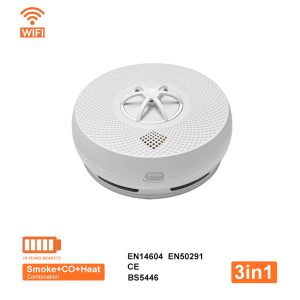
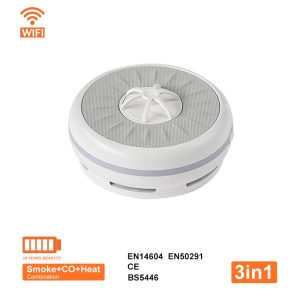
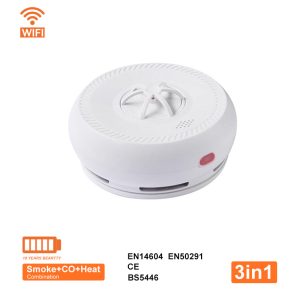
4. Combination Smoke/CO Detectors
These multi-functional units detect both smoke and Carbon Monoxide (CO). Depending on the smoke-sensing technology used (Ionization or Photoelectric), the disposal rules apply accordingly.
Part 2: How to Dispose of Smoke Detectors
Step 1: Identify Your Detector
Check the back label of the unit. Manufacturers are required by law to state whether the device contains radioactive material. If the label is missing or illegible, treat the unit as if it contains radioactive material (assume it is an Ionization type).
Step 2: Remove the Battery
Carefully open the compartment and remove the battery.
- 9V/AA Batteries: Dispose of these at a local battery recycling facility.
- Lithium Batteries: These are often sealed. If the unit is sealed shut, the entire unit must be treated as electronic waste.

Step 3: Choose Your Disposal Method
| Detector Type | Contains Radioactive Material? | Recommended Disposal Method |
|---|---|---|
| Photoelectric | No | Standard e-waste recycling or household trash (check local laws). |
| Ionization | Yes (Americium-241) | Return to manufacturer or designated hazardous waste facility. |
| Dual Sensor | Varies | Check label; if ionization is included, return to manufacturer. |
| Smoke/CO Combo | Varies | Check label for specific disposal instructions. |
Step 4: Returning to Manufacturers
Many major brands accept old detectors for proper disposal. If your unit is an Ionization type:
- Remove the battery.
- Package the detector securely.
- Include a note stating “For Disposal.”
- Ship it back to the manufacturer’s designated address (check their official website for the current return policy).








Leave A Comment