

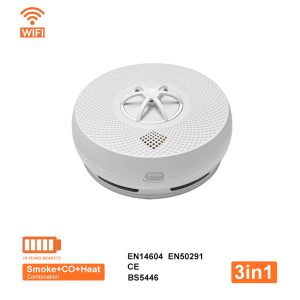
To test a fire alarm heat detector, use a heat source like a hairdryer or heat gun to simulate a fire. Direct the heat towards the detector’s sensing element, ensuring the heat source is not too close to the detector. Listen for the alarm to sound, indicating the detector is working correctly.
According to the University of Rochester, using a heat gun or hairdryer is a common method, but it’s crucial to avoid damaging the detector by holding the heat source too close.
Detailed Steps:
- Gather your tools: You’ll need a heat source like a hairdryer or a heat gun, and possibly a test button access tool if the detector is hard to reach.
- Choose the right heat source: A hairdryer on low heat is generally safe, while a heat gun can be used with more caution, ensuring it’s not directed too closely to the detector.
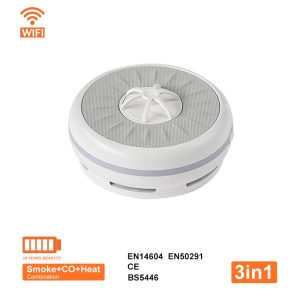
- Apply the heat: Direct the heat towards the detector’s sensing element (the area where heat is detected). For detectors with a heat collection disc, focus the heat on the disc.
- Listen for the alarm: The detector should sound the alarm when it detects the simulated heat.
- Reset the system: After the test, allow the detector to cool down and reset if necessary.
- Check interconnected systems: If you have interconnected smoke and heat alarms, ensure that all units sound when testing one.
- Consider professional testing: For more complex or older systems, a fire alarm company may be needed for thorough testing and maintenance.







Leave A Comment