

For businesses, natural gas alarms and detectors provide critical early warning of combustible gas leaks, triggering audible and visual alarms to prevent accidents and ensure compliance with safety regulations. Options include wall-mounted, ceiling-mounted, or portable detectors, which can detect natural gas (methane) and other explosive gases such as propane. Proper installation, typically near the potential leak source and within a specific distance from the ceiling or gas appliance, is essential for effective operation.
Anka Security shares key considerations for business use.

Safety and Compliance:
These devices protect personnel by providing early warning of hazardous gas levels, helping to prevent fires and explosions and ensuring compliance with safety standards.
Type:
Fixed Detectors: Wall-mounted or ceiling-mounted units provide continuous monitoring in a specific area.
Portable Detectors: Handheld or portable units can be used to locate gas leaks.
Gas Type:
Ensure the detector is designed to identify natural gas (methane, methane), and consider models that also detect propane or other combustible gases.
Mounting Location:
Mount the detector on the wall or ceiling near potential leaks, such as gas appliances.
Follow specific placement guidelines, such as a few feet from the gas appliance and not too far from the ceiling.
Features:
Alarm Volume: The alarm should be loud enough (e.g., ≥90dB) for workers to hear.
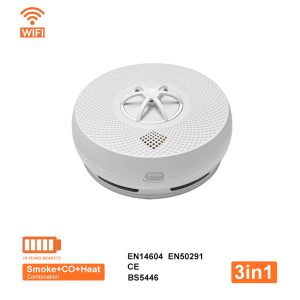
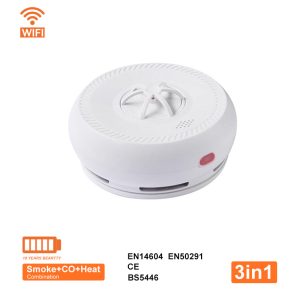
Wireless Connectivity: Some models offer WiFi connectivity and integrate with apps for remote monitoring and adjustments.
Voice Alarm: Some advanced devices provide clear voice instructions in emergency situations.
Sensor Technology:
Choose a detector with a reliable sensor type designed for methane detection, such as catalytic beads or infrared sensors, which provide accuracy and minimize false alarms.
Power Supply:
Detectors can be plug-in, battery-powered (with long-life options), or hardwired.







Leave A Comment