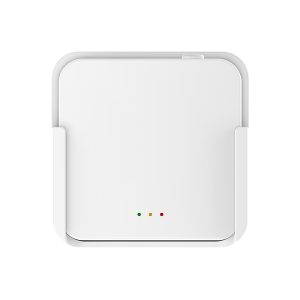
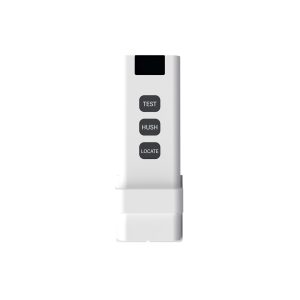
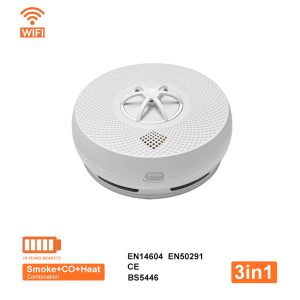
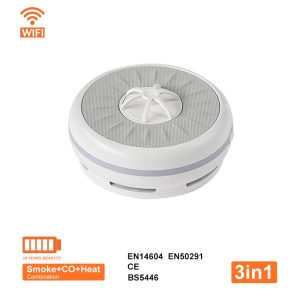
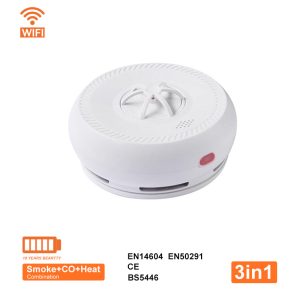
The Anka AJ710 and AJ715 series mains powered wireless interlinked smoke alarms combine the reliability of a direct electrical connection with the convenience and safety of wireless interconnection. When one alarm detects smoke, all units in the home sound an alert simultaneously. They also include a battery backup to ensure they function during power outages.
The following is a summary shared by Anka Security, highlighting the key options and features of mains-powered, wirelessly interconnected smoke alarms:
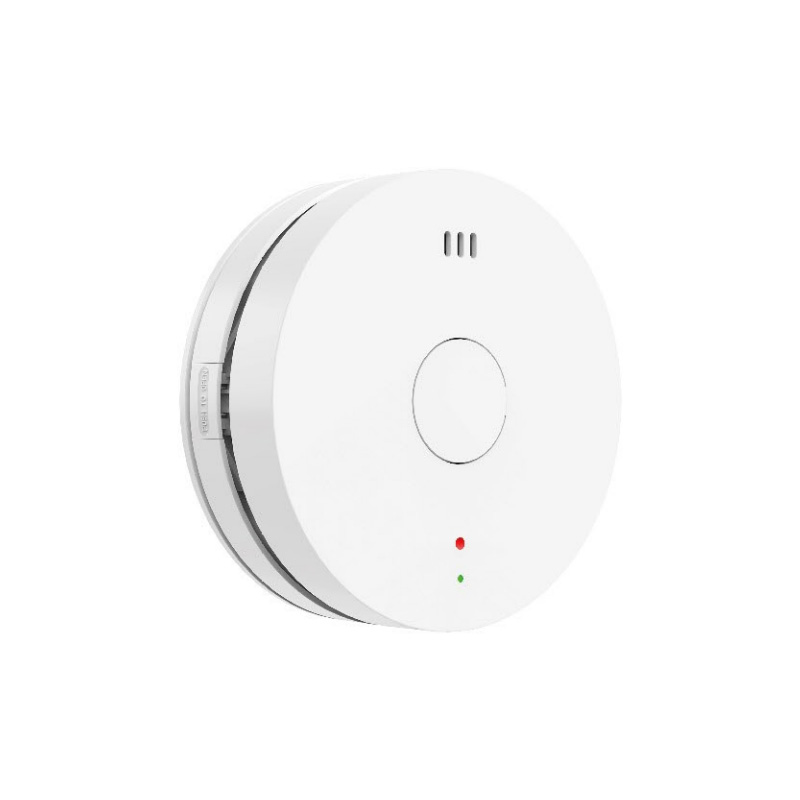
Top Manufacturers & Models of Mains-Powered, Wirelessly Connected Smoke Detectors and Alarms:
Anka (220v-240v): The associated product models are the AJ710 series and the AJ715 series, photoelectric sensor featuring dual-diode technology to minimize false alarms, with a ten-year service life,these 220V-240V AC-mains powered alarms offer wireless interconnection, supporting over 22+ detectors in a network with under 3-second response times.
First Alert/BRK (120V): The BRK SA520 is a hardwired AC/DC smoke alarm with a wireless interconnect bridge, suitable for connecting with other compatible alarms.
Firechief (FSM10W): Mains-powered with a 10-year lithium battery backup, featuring optical smoke sensing.
X-Sense (Link+ Series): Offers wireless interlinked smoke and CO detectors that can create a mesh network to cover large areas, sometimes without requiring direct hardwiring for each unit.

Features of Mains-Powered, Wirelessly Connected Smoke Detectors and Alarms:
Wireless Interconnect: Removes the need for complex wiring between alarms. They use radio frequency (RF) to communicate.
Battery Backup: Ensures operation during power outages, often using long-life lithium batteries (e.g., 10-year).
Photoelectric Sensors: Generally preferred for detecting slow, smoldering fires.
Voice & Location Alerts: Some models, such as the BRK SA511, can voice alert the location of the danger.
Reduced Nuisance Alarms: Includes silence/mute buttons for false alarms.
High Interconnection Capacity: Many systems allow up to 18–24 or more units to be linked together.

Installation Considerations For Smoke Alarms:
Placement: Recommended for every level, inside each bedroom, and outside each sleeping area.
Compatibility: While wireless, they must be part of the same manufacturer’s compatible series to communicate.
Range: Wireless communication range is typically around 300 feet (approx. 90-100 meters) in open air.