

Why Smoke Detectors Matter
According to the National Fire Protection Association (NFPA), 37% of fire deaths between 2017 and 2025 occurred in homes without smoke detectors.
Three out of five fire-related deaths happen simply because no smoke alarms were installed—or because they weren’t working properly.
The good news? Having functioning smoke alarms in your home cuts your risk of dying in a fire by half.
That’s why it’s so important to follow best practices when choosing, installing, and maintaining smoke detectors.

How to Choose the Right Smoke Detectors
1. Choose Interconnected Smoke Alarms
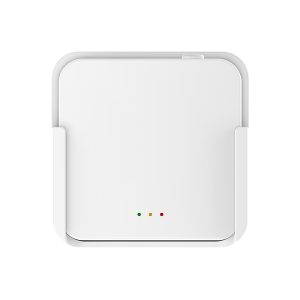
Look for a brand that offers interconnected smoke detectors. When one alarm detects smoke, all the alarms in your home will sound at the same time—giving your family more time to react.
2. Battery-Powered vs. Hard-Wired Smoke Detectors
Battery-powered models are flexible and easy to install, but they require regular testing and battery changes.
Hard-wired smoke detectors are connected to your home’s electrical system and include battery backups in case of a power outage.
No matter which type you choose, monthly testing is essential.
3. Ionization vs. Photoelectric Smoke Detectors
Ionization smoke alarms respond faster to flaming fires, while photoelectric smoke detectors are better at detecting smoldering fires.
For maximum protection, it’s recommended to have both types installed in your home.
4. Special Smoke Alarms for the Hearing Impaired
If you or a family member is deaf or hard of hearing, consider smoke detectors with strobe lights and bed shakers to ensure alerts are noticed immediately.

Smoke Detector Installation Tips
1. Install Smoke Alarms in Every Bedroom
Place a smoke detector in each bedroom and outside every sleeping area. This ensures that everyone is alerted quickly, even while sleeping.
2. Cover Every Floor of Your Home
Install at least one smoke alarm on every floor, including the basement. Fires can start anywhere, and early detection is key.
3. Mount Detectors High on the Ceiling or Wall
Since hot air and smoke rise, smoke detectors should be mounted on the ceiling or high on the wall for faster detection.
4. Keep Smoke Alarms Away from the Kitchen
To reduce false alarms caused by cooking, install smoke detectors at least 10 feet away from the stove. The nearest device should not be inside the kitchen itself.
5. Replace Smoke Detectors Every 10 Years
Even the best smoke alarms wear out over time. Replace all smoke detectors every 10 years to ensure reliable performance.
How to Maintain Smoke Detectors
1. Test Your Smoke Alarms Monthly
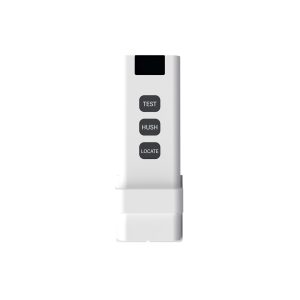
Press and hold the test button for a few seconds until the siren sounds. If the sound is weak or doesn’t work, replace the batteries and test again. If it still fails, replace the smoke detector immediately.

2. Keep the Detector Clean
Check your smoke alarms regularly to make sure dust, debris, or spider webs aren’t blocking the grate. Even new batteries won’t help if the sensor is clogged.
3. Replace Batteries Once a Year
Change smoke detector batteries at least once a year. Choose a memorable date—like the start of the school year or New Year’s Day—to help you remember.
4. Replace Batteries Immediately If the Alarm Starts Chirping
A chirping smoke detector means the batteries are low. Replace them right away to keep your home protected.

What to Do When a Smoke Detector Goes Off
1. Create a Family Fire Escape Plan
Sit down with your family and create a fire escape plan. Make sure everyone knows what to do if the smoke alarm sounds.
2. Choose a Safe Meeting Place Outside
Pick a permanent spot outside your home—such as a tree, mailbox, or light pole—where everyone will gather in case of a fire.
3. Assign Help for Vulnerable Family Members
Designate someone to assist older adults, infants, or family members with mobility challenges to ensure everyone can get out safely.
4. React Quickly and Stay Safe
If the smoke detector goes off, stop what you’re doing and leave the house immediately. Do not re-enter until firefighters confirm it’s safe—or the alarm is confirmed to be a false alarm.







Leave A Comment