

Residential smoke detectors are essential to home fire safety, providing early warning of smoke and fire. They come in a variety of types, including battery-powered, hardwired, and smart smoke detectors, each with their own benefits and considerations. Proper placement and maintenance of smoke detectors is essential to ensuring timely alarms and safe escape for residents in the event of a fire.
Types of smoke detectors:
Battery-powered:
These are typically the most common and affordable type, powered by replaceable batteries.
Hardwired:
These are connected to the home’s electrical system and often include a backup battery for added safety.
Smart smoke detectors:
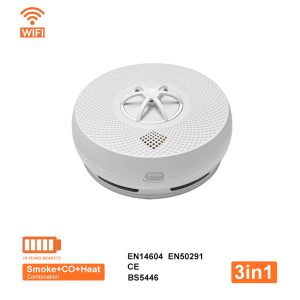
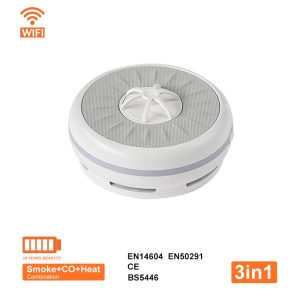
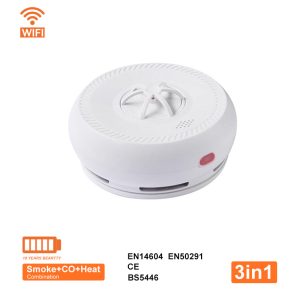
These connect to the home’s Wi-Fi network and can send notifications to smartphones, providing remote monitoring and control.
Considerations for choosing a smoke detector:
Sensor types:
Ionization and photoelectric sensors are common. Ionization sensors are more sensitive to fast-burning fires, while photoelectric sensors are better at detecting smoldering fires.
Connectivity:
Connected smoke detectors ensure that all alarms in the home sound when smoke is detected, providing a louder, more effective warning.
10-Year Sealed Batteries:
These detectors eliminate the need to replace batteries and provide continuous protection for a decade.
Combination Detectors:
Some detectors combine smoke and carbon monoxide detection, providing protection against both fire and carbon monoxide hazards.
Placement and Maintenance:
Location:
Install smoke detectors on every level of your home, including in bedrooms and near sleeping areas.
Periodic Testing:
Test smoke detectors monthly to ensure they are functioning properly.
Battery Replacement:
Replace batteries as needed, or replace the entire detector after 10 years, according to the Texas Department of Insurance.
Cleaning:
Dust or vacuum smoke detectors regularly to prevent dust buildup from interfering with the sensors.
California Smoke Detector Law:
California law requires smoke alarms to be installed in all one- or two-unit dwellings, lodging buildings, apartment buildings, hotels, motels, condominiums and other residential structures.
Smoke alarms must be installed in accordance with state and local fire codes.







Leave A Comment