

Apart from the occasional irritating squeak indicating a need for a battery change, we tend not to even notice smoke detectors. However, these little round lifesavers are a vital part of your fire safety equipment. They provide the essential early warning that something is wrong, yet they are everywhere, and we seldom give them a second thought.
As a Fire Marshal, you are likely responsible for reporting faults or maintaining the batteries in smaller businesses. But how does this life-saving technology actually work?

How Does a Smoke Detector Work?
There are three main methods employed for smoke detection. Understanding these can help you choose the right equipment for your specific needs.
1. Ionization Detectors
This is the most common detector for domestic and small area use. Inside the unit is an ionization chamber that detects changes in its ionization process if smoke particulates interrupt it. They are simple and cheap to make but can be over-sensitive; simple kitchen particulates or even dust can set them off. Despite this, they remain a perfectly acceptable first-line defense against fire.
2. Heat Detectors
A heat detector is not sensitive to particulates, so it is less prone to false alarms. They are often used in kitchens and other potentially ‘smoky’ environments where smoke does not necessarily mean fire. Instead, they detect changes in temperature, though this can limit their effective range to a smaller area.
3. Photoelectric Detectors
These smoke detectors work by going off when smoke interferes with a steady beam of light, causing it to strike a sensor. The upside of photoelectric technology is that they are more likely to detect smoldering furniture and similar fires, and they don’t go off every time someone burns the toast. However, they are more expensive than ionization units and are less popular in low-end applications.
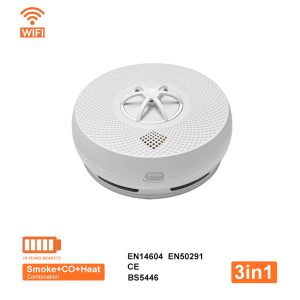
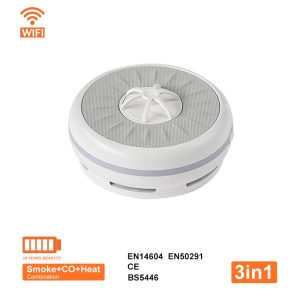
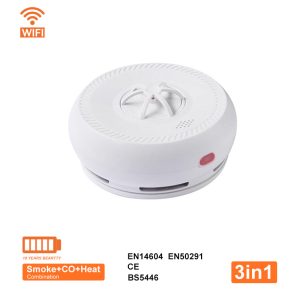
Combination Units: Some smoke detectors combine the above technologies in a single unit. Whatever alarm you have, it is important to have the right device installed to ensure a consistent and appropriate overall fire safety procedure.

5 Things To Remember About Your Fire Detectors
Proper maintenance and understanding of your equipment are crucial. Here are five essential tips:
- One Purpose: A smoke detector’s only job is to give you advance warning of a potential problem, hopefully giving you valuable seconds to escape. Unless the cause is obvious, do not ignore them or assume they have gone off accidentally. While you are debating, the fire could be spreading rapidly.
- Do Not Interfere: People often do stupid things with smoke detectors, like removing batteries to stop a low-battery chirp. Playing around with them can cost lives. In hotels, notices about tampering charges are placed right next to no-smoking signs for a reason.
- Change Batteries Regularly: Some detectors rely on batteries as a backup or primary source. These need changing annually at a minimum. If you have a main-powered detector with a rechargeable battery, make sure you are aware of the maintenance schedules.
- Replace Every 10 Years: You cannot simply install a smoke detector and expect it to last forever. Technology degrades, and sensors become less effective. Replace your units every decade.
- Clean and Maintain: Dust and other contamination will reduce the effectiveness of the detector. At regular intervals, give the units a little TLC. Most manufacturers suggest using the soft brush attachment of a vacuum to clean around the vents and sensors once or twice a year.

Over the years, a great deal of research has gone into the causes of fire and the best ways to reduce danger. Smoke detectors have been proven to make a huge difference in the likelihood of harm and fatalities.
Every year, people die needlessly in fires due to non-functioning smoke detectors that could have prevented the fatality.
According to fire statistics in England (2013/14), 12% of dwellings did not have a working smoke alarm. Don’t let your home or business be part of that statistic. Check your alarms today.









Leave A Comment