

Why Do Smoke Detectors Go Off When There’s No Fire?
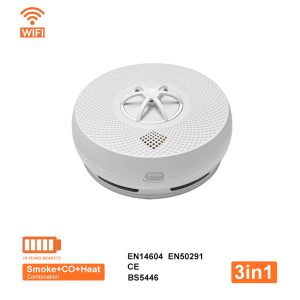
Smoke detectors are essential for home safety. They can detect hidden electrical fires and smoldering smoke that you might not notice right away.
However, many homeowners experience false smoke alarms that seem to happen for no reason at all.
Understanding what causes these nuisance alarms—and how to prevent them—can save you stress, protect your hearing, and help you respond faster when there’s a real emergency.

Top 10 Causes of Smoke Detector False Alarms
1. Burnt Food on the Stove
Cooking is the most common cause of false smoke alarms. Burnt food releases smoke and strong odors that detectors can sense—even if there’s no open flame.
Tip: Install smoke alarms just outside the kitchen rather than directly inside it.
2. Burnt Popcorn or Toast
Forgotten popcorn in the microwave or toast left too long in the toaster can fill the air with burnt particles, triggering your alarm quickly.
3. Fireplaces
If your fireplace sends smoke back into the room, your smoke detector will react. This usually means your chimney needs cleaning or the damper isn’t set correctly.
4. Steam from Showers or Cooking
Steam can confuse smoke detectors, especially in humid areas. Boiling water or hot showers may set off the alarm unexpectedly.

5. High Humidity
Smoke detectors cannot always tell the difference between moisture and smoke particles. Humid air can trigger false alarms just like real smoke.
6. Insects and Bugs
Small insects love dark, enclosed spaces—including smoke detectors. Their movement or presence can trigger the sensor.
7. Dust and Dirt
Home renovations or general dust buildup can interfere with the sensing chamber and cause false alarms.
8. Strong Chemical Smells
Paint fumes, cleaning chemicals, and solvents can be detected by sensitive smoke alarms and mistakenly trigger an alert.
9. Low or Loose Batteries
When batteries are low or not connected properly, your smoke detector may emit a chirping sound or go off unexpectedly.
10. Old Smoke Alarms
Most smoke detectors last about 10 years. After that, they are more likely to malfunction and produce false alarms.
How to Stop Smoke Detector False Alarms
1. Silence the Alarm First
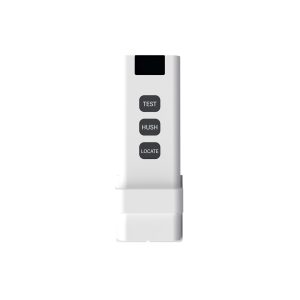
If you’re sure there’s no danger, press the silence or test button to quiet the alarm while you investigate.

2. Check the Installation Location
Make sure your smoke detector is not installed too close to bathrooms, kitchens, fireplaces, or direct sunlight.
3. Clean the Unit Regularly
Use compressed air, a vacuum, or a soft brush to remove dust, spider webs, and insects from inside the detector.
4. Replace Old Alarms
If your smoke detector is more than 7–10 years old, replace it with a new, certified model for better accuracy and safety.
5. Fix Power and Wiring Issues
Power grid changes or loose wiring can cause alarms to beep or go off randomly. A licensed electrician can help resolve these issues.
Smoke detectors are one of the most important safety devices in your home. While false alarms can be frustrating, they are usually easy to prevent once you understand the cause.
By keeping your detectors clean, replacing old units, and installing them in the right locations, you can reduce nuisance alarms and ensure your home stays protected when it matters most.







Leave A Comment