


1. There Are Different Types of Smoke Alarms
Not all smoke alarms are created equal. There are two main types:
- Photoelectric Smoke Alarms: These use a photoelectric sensor to detect smoke particles. They are especially sensitive to smoldering fires — the kind that smolder for hours before bursting into flames.
- Ionization Smoke Alarms: These use a small amount of radioactive material to detect changes in air ionization. They are more responsive to flaming fires with fast-moving flames.
Ionization detectors are more common and typically less expensive, but photoelectric detectors are also quite affordable. For the best protection, consider using both types — either as separate units or as a combination device that utilizes both detection technologies.
2. Test Your Smoke Alarm Often
A smoke alarm is only useful if it actually works. That’s why experts recommend testing your smoke alarms at least once a month.
Most units have a test button — simply press and hold it for a few seconds. If the alarm sounds loud and clear, you’re good to go. If you don’t hear anything, or the sound is faint, it’s time to replace the batteries (or the unit itself).
3. Change Batteries at Least Once a Year
Even if your smoke alarm seems to be working fine, replace the batteries at least once a year. A good rule of thumb? Do it when the clocks change for daylight saving time — that way, you’ll never forget.
If you’re unsure whether a battery is dead, test it in a non-safety device first. And remember: when in doubt, throw it out. It’s always better to be safe than sorry.

4. You May Need More Smoke Alarms Than You Think
Many homeowners underestimate how many smoke detectors they actually need. For optimal protection, install a smoke detector in:
- Every bedroom
- Each hallway outside of sleeping areas
- Every floor of your home (including the basement)
House fires can start anywhere — from the kitchen to the laundry room to an overloaded power strip. The more coverage you have, the better your chances of early detection.
5. Smoke Alarms Have a Lifespan — Replace Them Every 10 Years
Did you know that smoke alarms don’t last forever? Experts recommend replacing your smoke alarms approximately every 10 years.
Over time, sensors can degrade and technology improves. By staying up to date with the latest models, you ensure your family has the best possible protection against fire hazards.
6. Use Interconnected Smoke Alarms
Imagine a fire breaks out on the main floor in the middle of the night. Would everyone in the house hear the alarm? With interconnected smoke alarms, the answer is yes.
When one alarm sounds, all units in the home sound simultaneously. This is critical for giving family members in distant rooms — like the basement or attic — enough time to escape safely.
7. Have a Professional Install Your Smoke Alarms
While some smoke alarms are designed for DIY installation, having a trained professional install your fire alarms is always the safest choice.
Professionals know the optimal placement for each unit, ensuring maximum coverage and compliance with local fire codes. Don’t leave your family’s well-being in the hands of guesswork — get it done right the first time.
8. Consider Combination Smoke & CO Detectors
Did you know that carbon monoxide (CO) poisoning is arguably even more dangerous than fire? CO is an odorless, tasteless, and colorless gas produced by vehicles, gas-powered furnaces, and other fuel-burning appliances. It causes hundreds of deaths each year.
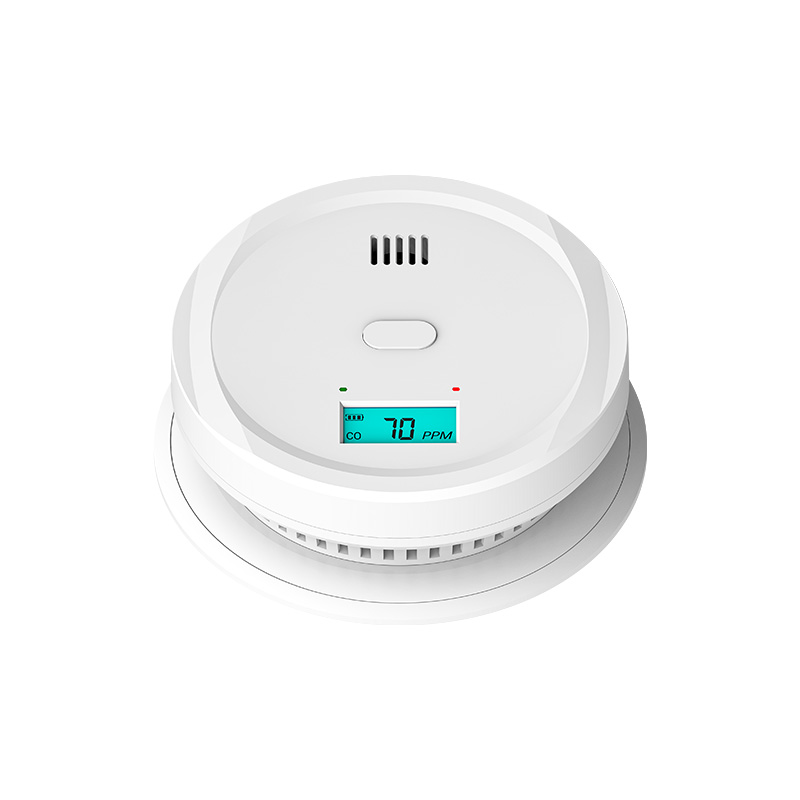
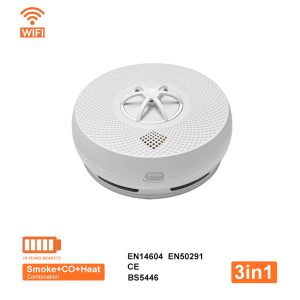
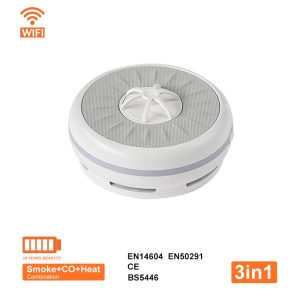
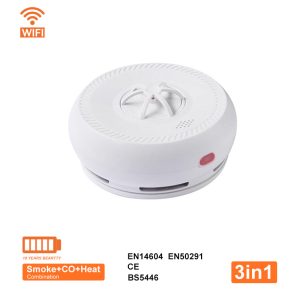
Combination alarms that detect both smoke and carbon monoxide offer comprehensive protection in a single device. If possible, look for a smoke alarm that also includes a CO detector — it’s a small investment for a huge safety upgrade.

9. Some Alarms Include Professional Monitoring
False alarms are annoying — but missing a real fire is dangerous. Some modern smoke alarms come with automatic monitoring teams that are alerted when the alarm sounds.
These services are often part of a smart home security package that includes multiple products to protect your family. With instant professional help on standby, you’ll have an extra layer of protection and peace of mind.
10. Never Paint Your Smoke Alarm
It might be tempting to paint over your smoke alarm to match your wall color, but this is a serious fire safety hazard.
Paint can restrict airflow and interfere with the alarm’s ability to detect smoke. Most smoke alarms come with a clear warning printed directly on them: “Do Not Paint.” Leave them as-is to ensure they function properly when you need them most.







Leave A Comment