

Yes, you can interconnect hardwired and wireless smoke detectors, but only with a dedicated bridge unit or a smart Wi-Fi system that supports this hybrid functionality. You cannot directly connect a standard hardwired alarm with a standard battery-powered wireless alarm; you must use a bridge device or a smart system, such as First Alert’s SC5 smart alarms, to create a “mesh network” via wireless protocols.
Anka Security shares two different connection methods:
Using a Bridge Unit
1. Identifying a Compatible Bridge:
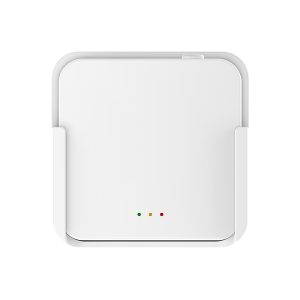
Some manufacturers, such as First Alert, offer specific models (such as the SA520B) that act as a bridge between their hardwired systems and wirelessly interconnected alarms.
2. Installing the Bridge:
Install the bridge unit at the hardwired location in your existing system.
3. Adding a Wireless Alarm:
Add a compatible battery-powered wirelessly interconnected alarm to the system, linking it to the bridge unit.
4. Functionality:
When an alarm is triggered, the bridge unit receives the signal and forwards it to the hardwired system, ensuring that all alarms in the interconnected network sound.
Using a Smart Wi-Fi System
1. Choose a Smart System:
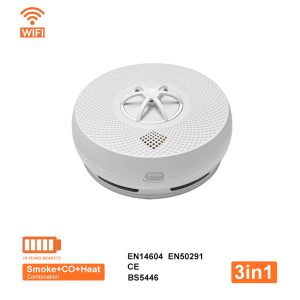
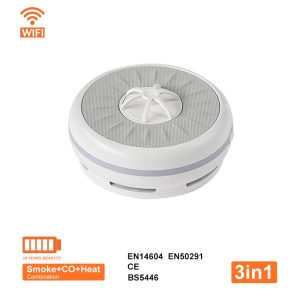
Look for smart smoke and CO alarms, such as the First Alert SC5 series, which are designed to create a mesh network using Wi-Fi or other wireless communication protocols.
2. Install and Register:
Install both hardwired and battery-powered versions of your smart alarm and register them with the manufacturer’s app (such as First Alert and the Google Home app).
3. Connect:
Once set up in the app, the alarms will communicate with each other wirelessly, creating a unified, connected system where an alarm in one location can trigger alarms in others.







Leave A Comment