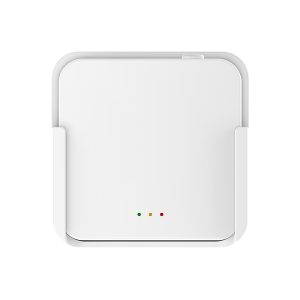
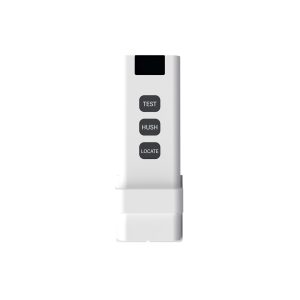
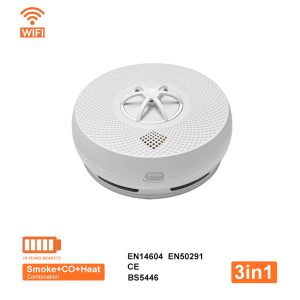
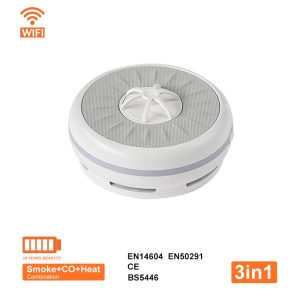
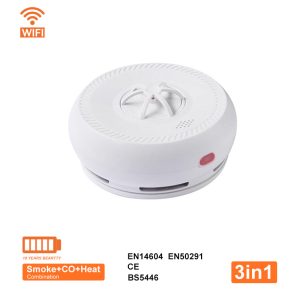
Visually, smoke detectors are often round and ceiling-mounted (as smoke rises), while CO detectors are frequently rectangular, plug-in units, or placed lower on walls (as CO is denser than air), often featuring a digital display for CO levels, a feature rare on smoke alarms, though many modern combination units exist, which look similar to smoke detectors but have clear labeling and digital screens. The most reliable way to tell is by reading the label for “Smoke Alarm” or “CO Detector” and checking for a digital display or specific test-beep patterns (3 beeps for smoke, 4 for CO). Anka Security shares how to visually distinguish them.

Key Visual Differences
Shape & Placement:
Smoke: Usually round, placed high on ceilings because smoke rises.
CO: Often rectangular, plug-in, or lower on walls/near sleeping areas, as CO gas is heavier than air.
Displays:
CO: Frequently includes a digital screen showing CO parts per million (PPM).
Smoke: Generally lacks a digital display.
Labels:
Smoke: Says “Smoke Alarm” or “Smoke Detector”.
CO: Clearly marked “Carbon Monoxide Alarm” or “CO Detector”.
Combination Units: Many devices detect both and will have both labels and often a digital display and different alarm sounds.

How to Confirm (Non-Visual)
Test Button Beeps: Press and hold the test button: smoke alarms typically beep three times, while CO alarms often beep four times in a sequence.
Check the Back: Remove the unit and look for labels like “Carbon Monoxide Alarm” and certification marks (UL, CSA).
Why Both Are Needed
They detect different hazards: smoke for fire, CO for invisible, odorless gas from fuel-burning appliances, requiring both for complete protection.