

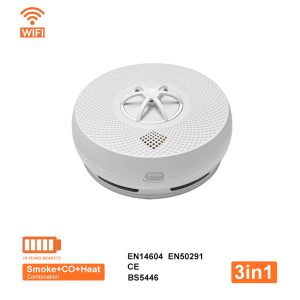
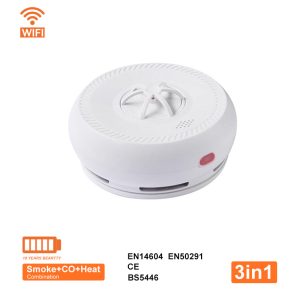
Smart smoke detectors are modern fire and carbon monoxide alarms that connect to your home’s Wi-Fi network and can send alerts to your smartphone or other devices even when you’re not home. They offer increased security and convenience over traditional alarms, with real-time information and remote monitoring capabilities.
Here’s a more detailed explanation from anka security:

Key features of smart smoke detectors:
Wi-Fi connectivity:
Like other smart devices, they connect to your home’s Wi-Fi network, enabling them to communicate with your smartphone and other connected devices.
Mobile notifications:
They send alerts to your phone when smoke or carbon monoxide is detected, even when you’re not home.
Remote monitoring:
You can check the alarm status and receive updates via a dedicated app on your phone.
Voice alerts:
Some smart smoke detectors are able to provide voice alerts that specify the type and location of the threat.
Interconnectivity:
Smart smoke detectors can connect to each other, meaning that when one of them detects a threat, all of the interconnected detectors will sound an alarm, providing enhanced coverage throughout the house.
Additional features:
They may also offer features like in-app testing, low-battery notifications, and integration with other smart home devices.
Two-in-one detection:
Some models combine smoke and carbon monoxide detection in one unit, simplifying installation and management.
Benefits of smart smoke detectors:
Increased security:
You can respond faster to potential fires or carbon monoxide leaks by getting alerts even when you’re not home.
Peace of mind:
Knowing you’re alerted to potential dangers wherever you are can give you peace of mind.
Convenience:
Remote monitoring and control through smartphone apps adds convenience and ease of use.
Integration:
Can integrate with other smart home devices for a more comprehensive, connected home security system.
Considerations:
Cost:
Smart smoke detectors are typically more expensive than traditional alarms.
Wi-Fi dependency:
They rely on a stable Wi-Fi connection, so any interruptions in internet service may affect their functionality.
Battery life:
Like traditional alarms, smart smoke detectors use batteries that need to be replaced periodically.







Leave A Comment