

Commercial smoke detectors can be broadly divided into ionization, photoelectric, and combination (dual sensor) types, each designed to detect different types of fires. In addition, aspirating smoke detection systems (ASD) and video smoke detection systems represent more advanced options.
Here is a more detailed breakdown by anka security:
Types of Smoke Detectors:
1. Ionization smoke detectors:
These detectors are most sensitive to fast-burning fires, such as those caused by paper or flammable liquids. They use a small amount of radioactive material to ionize the air, and when smoke disrupts this ionization, an alarm is triggered.
2. Photoelectric smoke detectors:
These detectors are better at detecting slow-burning, smoldering fires, such as those from upholstered furniture or electrical wiring. They use a light beam and a sensor; when smoke scatters the light, it activates an alarm.
3. Combination (dual sensor) smoke detectors:
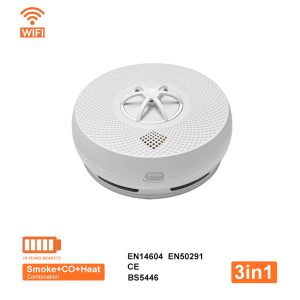
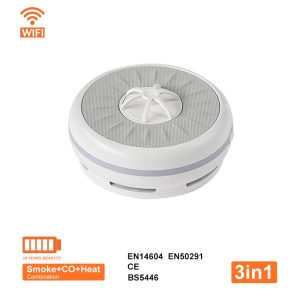
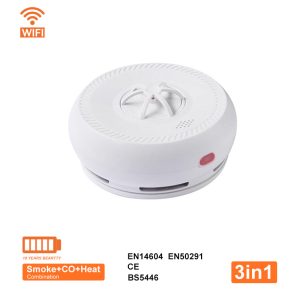
These detectors combine ionization and photoelectric sensors for comprehensive fire detection. This ensures that they can detect both fast-burning and smoldering fires.
4. Aspirating smoke detection systems (ASD):
ASDs are highly sensitive and are used in areas where early, reliable smoke detection is critical, such as data centers or clean rooms. They continuously sample the air and analyze it for smoke particles.
5. Video Smoke Detection Systems:
These systems use cameras and video analytics to detect smoke or flames, providing a visual component to fire detection.
6. Heat Detectors:
Although not smoke detectors, heat detectors are also used in commercial fire alarm systems. They trigger alarms based on temperature changes, when a specific temperature threshold is reached or when the temperature rises rapidly.
Key Considerations for Commercial Environments:
Building Size and Complexity:
Larger, more complex buildings often require addressable or hybrid fire alarm systems to pinpoint the exact location of a fire.
Specific Fire Risks:
When selecting a smoke detector, consider the type of materials stored or used in the building.
Integration with Building Systems:
Smoke detectors can be integrated with other building systems such as HVAC and security systems.
Local Fire Safety Regulations:
Always make sure the smoke detector you choose complies with local fire safety codes and regulations.







Leave A Comment