

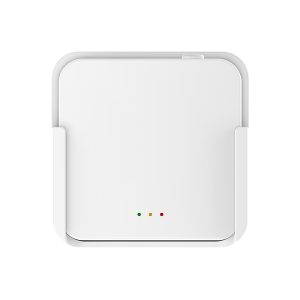
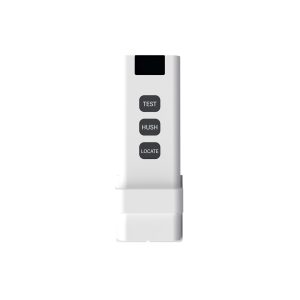
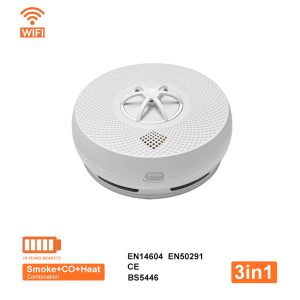
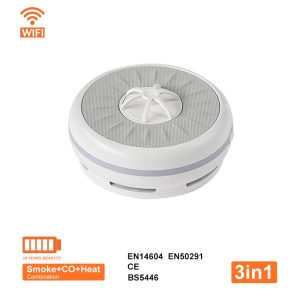
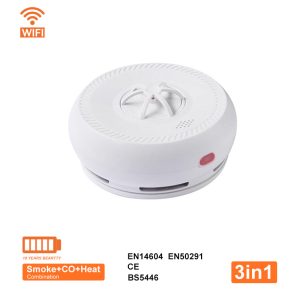
Wireless smoke detectors are fire alarms that use radio frequency (RF) signals to communicate with each other and possibly with a central security panel, rather than being hardwired together. This enables them to alert occupants throughout a building when one detector detects smoke, even if they are in different rooms or on different floors.
Here’s a more detailed breakdown from Anka Security:

How They Work:
RF Communication:
Wireless smoke detectors use radio frequency (RF) to transmit and receive signals, typically around 433 MHz or 900 MHz.
Interconnectivity:
When one detector detects smoke, it sends a signal to all other connected detectors within range. This triggers them to sound the alarm simultaneously, ensuring everyone is alerted.
Smart Home Integration:
Some wireless smoke detectors can also connect to a central security system or smart home hub via Wi-Fi or other protocols, enabling remote monitoring and notifications.
Battery Power:
Most wireless smoke detectors are battery-powered, which provides flexibility in placement and avoids the need for wiring.
Key Features and Benefits:
Ease of Installation:
Wireless smoke detectors are generally easier to install than hardwired smoke detectors because they don’t require wiring to be run through walls and ceilings. Flexibility:
They can be easily moved or relocated if needed, which is helpful when moving or renovating.
Full Coverage:
A wireless system ensures that all detectors in a home or building will sound an alarm when triggered, even if they are located in different areas.
Remote Monitoring:
Integration with smart home systems allows for remote monitoring and alarm notifications, which is particularly useful when away from home.
Potential Disadvantages:
Battery Replacement:
Wireless detectors rely on batteries, which require periodic replacement. Some detectors offer long-lasting batteries (such as 10-year lithium batteries), but these still require regular inspection.
RF Interference:
In some cases, wireless signals may be susceptible to interference from other devices or environmental factors.
Cost:
The initial cost of wireless smoke detectors may be higher than that of traditional wired detectors.







Leave A Comment