

Your smoke detector is your first line of defense against fire hazards, but it can only do its job if the power supply is reliable. Using the right type of battery—and replacing it on schedule—ensures your alarm won’t give false warnings or, worse, fail to sound during a real emergency.

In this guide, we’ll break down the different types of smoke detector batteries, compare their pros and cons, and explain how often you should replace them.
Common Types of Smoke Detector Batteries
1. 9V Batteries (The Traditional Choice)
Historically, 9V batteries were the standard for smoke alarms. While they were a reliable choice in the past, technology has moved forward. Most modern smoke detectors have shifted away from 9V batteries in favor of more efficient options.
2. AA Batteries (The Modern Standard)
Today, most smoke detectors are powered by two or three AA batteries. AA batteries offer significantly more energy capacity than a 9V battery—in fact, they can last up to three times longer. If your unit uses AAs, you’ll need to replace them regularly to keep the detector functioning accurately.
3. 10-Year Sealed Lithium Batteries (The “Hassle-Free” Option)
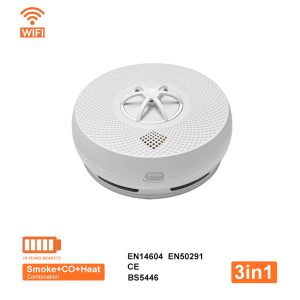
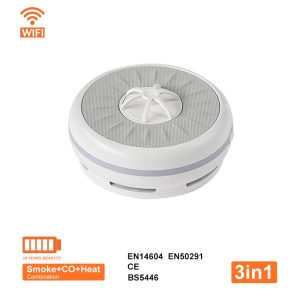
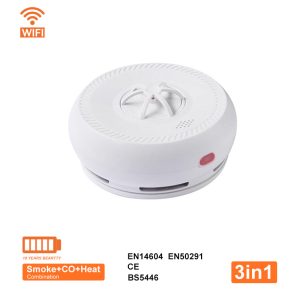
One of the best innovations in home safety is the 10-year sealed battery smoke alarm. These units come with a built-in, non-replaceable lithium battery designed to last the entire lifespan of the device.
✅ Why Choose 10-Year Batteries? You eliminate the need to climb a ladder twice a year. The battery is sealed inside, so there’s no risk of it being removed or drained by homeowners, and it provides consistent power for a full decade.

Comparison: Which Battery Type is Best?
| Battery Type | Pros | Cons | Replacement Frequency |
|---|---|---|---|
| 9V | Historically reliable; easy to find in stores | Lower energy capacity; older technology | Every 6 months |
| AA Batteries | 3x more energy than 9V; widely available | Still requires regular replacement | Every 6 months |
| 10-Year Sealed | No maintenance; consistent power; hassle-free | Unit must be replaced after 10 years | Never (sealed unit) |

How Often Should You Replace the Battery?
The replacement schedule depends on the type of smoke detector you have:
- For 9V and AA Batteries: You should replace them every six months. A good rule of thumb is to change them when you change your clocks for daylight saving time.
- For 10-Year Sealed Batteries: You can “set it and forget it” for a full decade. No mid-term replacements are needed.
⚠️ Important Note: Factors like installation location (e.g., near a kitchen), extreme temperatures, and dust buildup can affect battery life. Always test your smoke alarm monthly by pressing the test button, regardless of the battery type.
While traditional 9V and AA batteries are still widely used, upgrading to a 10-year sealed battery smoke detector is the most hassle-free way to ensure your home stays protected without the regular maintenance chore.
A smoke detector with a dead or dying battery is essentially useless. Whether you choose standard batteries or a sealed unit, keeping your detector powered is the simplest way to protect your home and family from fire hazards.







Leave A Comment