

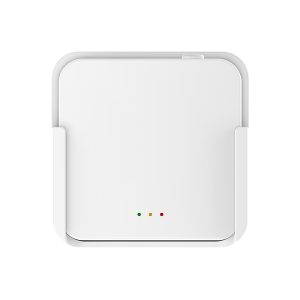
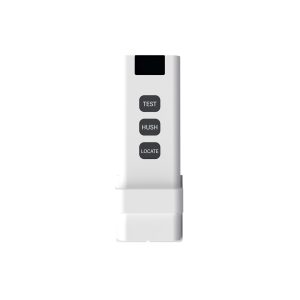
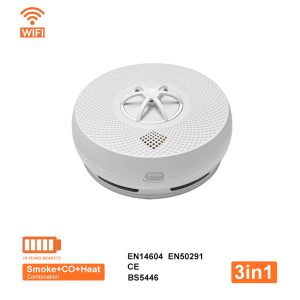
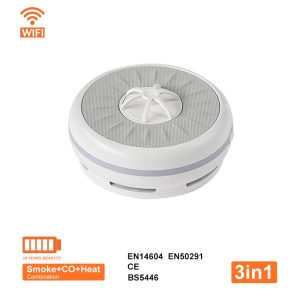
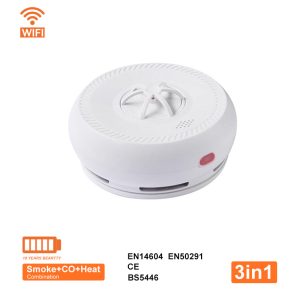
Deaf people use specialized smoke alarm systems that rely on strobe lights, vibrating pads, or pagers to alert them to fires. These multi-sensor devices connect to smoke detectors and activate lights and vibrations when smoke is detected, providing the necessary advance warning for escape. Some systems are designed to meet specific quality standards, such as British Standard BS5446-3, to ensure they are suitable for deaf or hard-of-hearing individuals.

Anka Security explains how deaf smoke alarms work
Strobe lights:
Strobe lights placed throughout the home can signal a fire.
Vibrating pads/pagers:
Vibrating pads or pagers placed under mattresses or pillows, or worn, activate when a smoke alarm sounds, providing a tactile alert to wake the user.
Interconnected systems:
These systems can be interconnected, so smoke detectors in one area can activate vibrating pads or strobe lights in another, providing comprehensive coverage.
Low-frequency tones:
Some alarms may also emit low-frequency audible tones, which are easier for people with hearing loss to detect.
Where to find these alarms
Specialist suppliers:
Products are available from specialist retailers or through home security schemes.
Government Agencies:
Organizations such as local fire and rescue services and RNID can provide guidance and resources for finding an appropriate system.
Americans with Disabilities Act (ADA):
The ADA requires landlords to provide multi-sensory alarms for deaf tenants.







Leave A Comment