

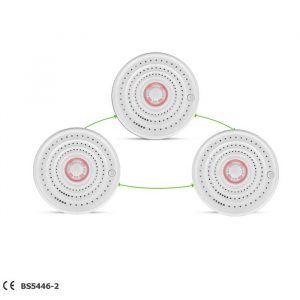
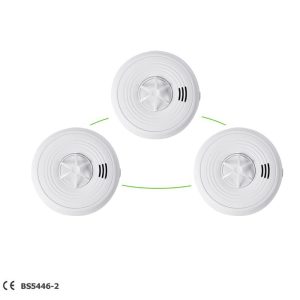
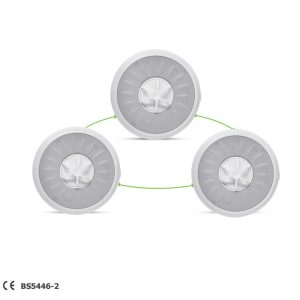
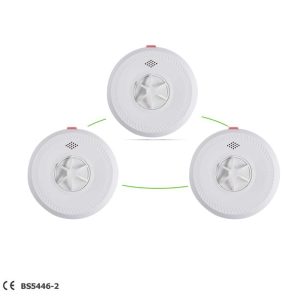
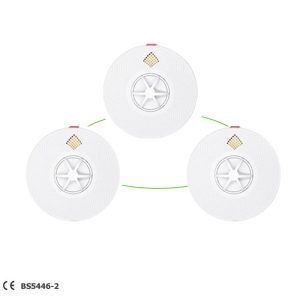
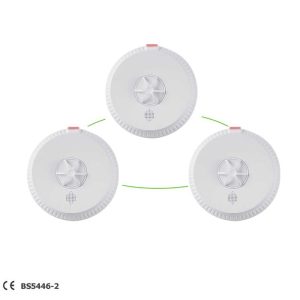
A heat detector alarm is a fire detection device that senses a rise in temperature and triggers an alarm when a predetermined threshold is reached. Unlike smoke detectors, they respond to heat rather than smoke, making them useful in areas where smoke might trigger false alarms, such as kitchens or garages. Heat detectors are often used to alert occupants of a fire and allow them time to evacuate or put out the fire.
How they work:
- Heat detectors contain a heat-sensitive element that changes when exposed to rising temperatures.
- When the temperature reaches a set point, the element triggers an alarm.
- There are two main types: fixed temperature and rate-of-rise detectors.
- Fixed temperature detectors activate when the temperature reaches a specific level.
- Rate-of-rise detectors trigger when the temperature rises at a rapid rate, indicating a fast-growing fire.
Uses and Benefits:
Low false alarm rate:
Heat detectors are less likely to be triggered by non-fire sources like steam or dust, making them ideal for certain environments.
Early detection:
They can detect fires that don’t produce smoke early on, providing valuable time for evacuation.
Property protection:
They can help minimize damage by alerting occupants to a fire before it spreads extensively.
Areas where smoke detection is problematic:
They are commonly used in kitchens, garages, and other areas where smoke might cause false alarms from cooking or other activities.











Leave A Comment