

The purpose of a heat detector.
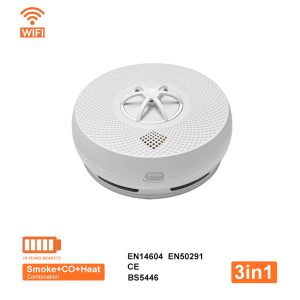
A heat detector, often called a temperature alarm, is a device designed to monitor changes in the surrounding temperature. By detecting temperature fluctuations and triggering an alarm, it plays a vital role in fire safety, security, and smart control systems.
These devices use advanced technologies like thermistors, thermocouples, and other temperature-sensing methods to continuously track ambient temperatures in real time. When the temperature surpasses a preset limit or rises rapidly within a short period, the detector emits a loud beeping sound to warn people of potential danger, prompting action from the appropriate personnel.

Key Benefits:
Quick Response: Rapidly detects temperature changes for timely alerts.
High Reliability: Performs well in a variety of environmental conditions.
Versatile Applications: Commonly used in homes, businesses, and industrial facilities as part of fire alarm systems.
Where Are Heat Detectors Used?
Heat detectors are essential in locations where traditional smoke alarms might not work effectively or could easily trigger false alarms, such as kitchens, garages, and attics. They’re also ideal for spaces where challenging conditions—like dust or grease—might interfere with smoke detector performance.
In industrial and commercial settings, heat detectors are frequently installed in factories, professional kitchens, and workshops. For residential use, they’re particularly effective in rooms with specific fire risks。
The National Fire Protection Association (NFPA) emphasizes the importance of heat detectors in spaces with high ceilings or open floor plans, where smoke alarms may not provide adequate coverage. In such scenarios, heat detectors serve as a reliable alternative.
In some cases, local fire codes and regulations require heat detectors. For example, the International Fire Code (IFC) mandates their use in areas like commercial kitchens, where traditional sprinklers could cause accidental activation.
To ensure proper placement and compliance with safety standards, consult a qualified fire safety professional. Requirements can vary based on regional regulations, building types, and intended use, so expert guidance is key.







Leave A Comment