

Wireless Connection — Simple & Power-Outage Proof
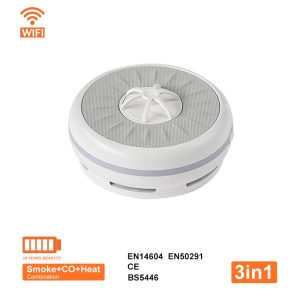
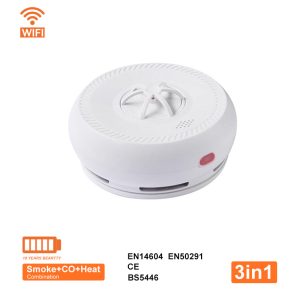
In the past, interconnected smoke alarms had to be hardwired into a home’s electrical system, which made installation complex and expensive. Thanks to modern technology, wireless interconnected smoke detectors are now the preferred choice for homeowners.
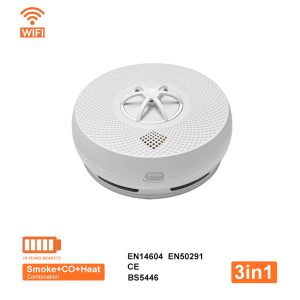
These battery-powered units connect to each other via radio signals, making installation quick and hassle-free — no electrician required. Even better, because they run on batteries, they continue to work during a power outage, ensuring uninterrupted protection.
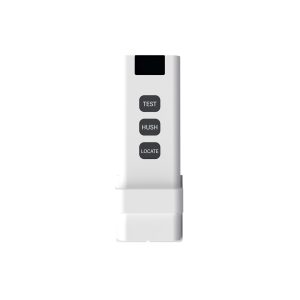
Many modern wireless models also feature voice alerts and location notifications, telling you exactly where the danger is and what type of emergency it is. This allows you to choose the safest evacuation route for your family.

Interconnected Alarms Are Safer Than Standalone Units
A standalone smoke alarm only protects the room it’s in. If a fire starts in your bedroom while you’re in the basement, you might not hear the alarm until it’s too late.
Interconnected smoke alarms eliminate this risk by alerting every area of the home at the same time. The sooner you know about a fire, the more time you have to get your family to safety. When it comes to protecting your loved ones, every second matters.
Required for New Home Construction
Due to their proven safety benefits, many states and municipalities now require interconnected smoke alarm systems in all new home construction. Building codes across the US are increasingly mandating this technology because of its life-saving potential.
If you’re building a new home or buying a newly constructed house, make sure the fire alert system is interconnected. Don’t settle for less when it comes to your family’s safety — the benefits are too important to ignore.

How Do Interconnected Smoke Alarms Work?
Interconnected smoke alarms communicate with each other through one of two methods:
- Hardwired Connection: Alarms are linked via your home’s electrical wiring. When one alarm detects smoke or carbon monoxide, it sends a signal through the wires to trigger all other connected alarms.
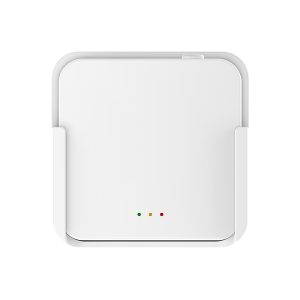
- Wireless Connection: Battery-powered alarms use radio frequency (RF) signals to communicate. When one unit sounds, it broadcasts a wireless signal to every other paired unit in the network, triggering them to sound as well.
Both methods achieve the same goal: instant, whole-home alert coverage. Wireless systems are generally preferred for retrofitting existing homes, while hardwired systems are common in new construction.
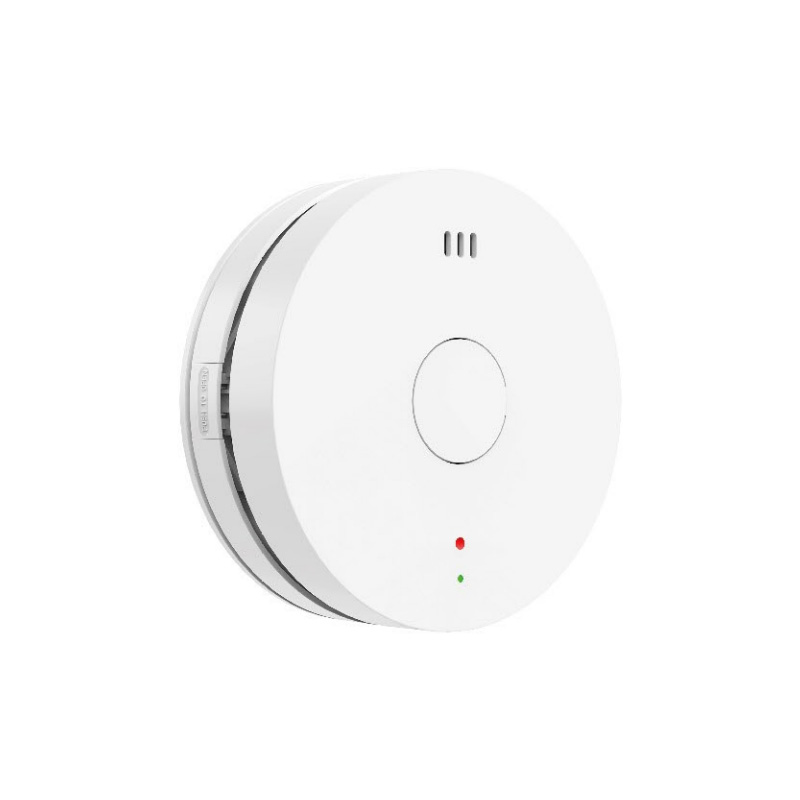
Upgrade to Interconnected Smoke Alarms Today
Your family’s safety is too important to leave to chance. A standalone smoke alarm might give you a false sense of security, but only an interconnected smoke alarm system can ensure that every member of your household is alerted the moment danger arises — no matter where the fire starts.
Whether you choose a hardwired or wireless system, the key is to make sure every smoke alarm in your home is linked together. Follow NFPA recommendations, check your local building codes, and give your family the protection they deserve.
🔔 Action Step: Check your current smoke alarms today. Are they interconnected? If not, consider upgrading to a wireless interconnected system — it’s one of the simplest and most effective steps you can take to protect your home.







Leave A Comment