


Key Differences at a Glance
| Feature | Carbon Monoxide Detector | Carbon Monoxide Monitor |
|---|---|---|
| Primary Function | Alerts when CO reaches dangerous levels | Continuously measures and displays CO levels |
| Alarm Threshold | Sounds at 70ppm (UK) or 50ppm (US) after specific time | May show all concentrations from 1ppm upwards |
| Display | Often just an alarm light (some have digital displays) | Always has numerical display showing current PPM |
| Response Time | Must meet regulatory time-to-alarm standards | Shows real-time fluctuations immediately |
| Regulation | Must comply with EN 50291 (EU) or UL 2034 (US) | Not always subject to same safety standards |
| Best For | General home safety and compliance | Professionals or high-risk environments |
How Carbon Monoxide Detectors Work
CO detectors are designed as early warning devices that alert occupants when concentrations become dangerous. They use one of three sensor technologies:
const sensorTypes = [
{
type: “Electrochemical”,
description: “Most accurate and responsive, measures CO through chemical reaction”,
lifespan: “5-7 years”
},
{
type: “Biomimetic”,
description: “Uses gel that darkens when exposed to CO, good for residential use”,
lifespan: “5 years”
},
{
type: “Metal Oxide Semiconductor”,
description: “Least expensive, detects CO through changes in electrical resistance”,
lifespan: “3-5 years”
}
];
Detector Alarm Thresholds
CO detectors must comply with strict alarm thresholds:
- UK/Europe (EN 50291): Must alarm within 60-90 minutes at 50ppm, 10-40 minutes at 100ppm, and immediately above 300ppm
- US (UL 2034): Must alarm within 60 minutes at 70ppm, 10 minutes at 150ppm, and 4 minutes at 400ppm
Important Safety Note
Never rely solely on a CO monitor without an approved detector. Monitors may show dangerous levels but aren’t required to sound an alarm, which could be fatal while sleeping.
How Carbon Monoxide Monitors Work
CO monitors provide continuous numerical readouts of carbon monoxide concentrations, typically using electrochemical sensors similar to high-end detectors. Key features include:
- Real-time display: Shows exact PPM (parts per million) measurements
- Data logging: Many record historical CO levels for analysis
- Lower detection limits: Can display levels as low as 1ppm
- Professional use: Often used by firefighters, HVAC technicians, and safety inspectors
const monitorAlerts = {
warningLevel: 10, // PPM – visual warning
cautionLevel: 25, // PPM – audible beep
dangerLevel: 50, // PPM – full alarm
dataLogInterval: 1 // Minutes between recordings
};
Which One Do You Need?
When to Choose a CO Detector:
- For basic home safety compliance
- When you need legally approved protection
- For sleeping areas (loud alarm crucial)
- Budget-conscious applications
When to Choose a CO Monitor:
- For workshops or garages with combustion equipment
- When monitoring low-level CO exposure is important
- For professional or industrial use
- When historical CO data is valuable
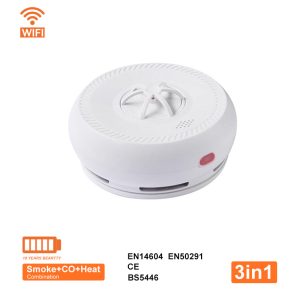
Combination Units: The Best of Both Worlds
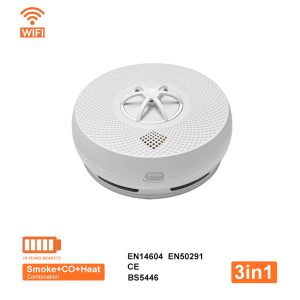
Many modern devices combine detector and monitor functionality:
| Feature | Combination Device Benefits |
|---|---|
| Safety | Meets all detector regulations while showing real-time levels |
| Convenience | Single device provides both immediate alerts and continuous monitoring |
| Smart Features | Many connect to smartphones for remote monitoring |
| Cost | More affordable than buying separate devices |
Protect Your Family from Carbon Monoxide
Whether you need a basic detector, advanced monitor, or combination unit, ensure your home is protected from this silent killer. Browse our selection of certified carbon monoxide safety devices.
All detectors meet UK EN 50291 safety standards
Frequently Asked Questions
Can a CO monitor replace a detector?
No, unless the monitor is specifically certified as a detector (look for EN 50291 or UL 2034 certification). Most monitors aren’t required to sound alarms at regulated thresholds.
Where should I install CO detectors?
At least one on each floor, near sleeping areas, and about 5 feet from the floor (CO mixes with air). Avoid dead air spaces near corners.
How often should CO detectors be replaced?
Every 5-7 years (check manufacturer date). Sensors degrade over time even if the unit still powers on.
What’s an acceptable CO level in my home?
Ideally 0ppm. Under 9ppm is generally safe for healthy adults, but any consistent level above 0 should be investigated.
Do I need both a smoke and CO detector?
Yes, they detect different threats. Combination smoke/CO units are available, but separate devices are often recommended.
Final Recommendations
For most homes, certified carbon monoxide detectors provide the essential protection needed against this invisible hazard. Consider adding a monitor if you have specific concerns about low-level exposure or want to track CO patterns in your home. Combination units offer a practical solution that satisfies both safety requirements and monitoring needs.
Remember that no device substitutes for proper maintenance of fuel-burning appliances and good ventilation. Test your CO detectors monthly, replace them when expired, and always investigate any alarms immediately.







Leave A Comment