

You need a natural gas (combustible gas) detector, not a carbon monoxide (CO) detector, to detect natural gas leaks. These devices monitor the air for explosive gases like methane, sounding an alarm at dangerous concentration levels, often before you can smell the gas. You can find plug-in, battery-powered, or smart detectors that can be hardwired into your home’s electrical system for safety and convenience.
Anka Security shares why you need a dedicated detector:

Different gases:
Natural gas is a flammable gas (primarily methane), while carbon monoxide is a byproduct of combustion. Carbon monoxide detectors cannot detect natural gas leaks.
Safety:
Natural gas leaks can cause fires and explosions, so early detection is crucial.
Key features to look for:
Sensor technology:
According to DeNova Detect, look for advanced sensors like MEMS or infrared (IR) sensors, as they provide better accuracy and reduce nuisance alarms.
Alarm volume:
Even if you’re asleep, your alarm should be at least 85 decibels (dB) loud enough to wake you. Power Source:
Consider whether you want a plug-in unit, a battery-powered unit, or a hardwired detector that integrates with your home’s electrical system.
Smart Features:
DeNova Detect notes that some models offer Wi-Fi or Bluetooth connectivity for remote monitoring and alerts.
Combination Detectors:
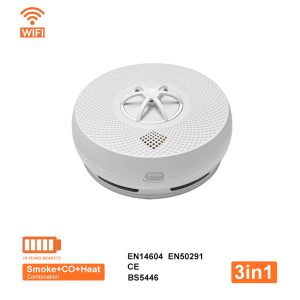
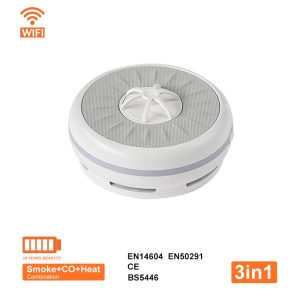
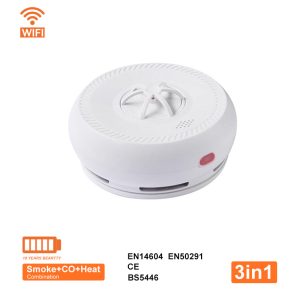
Some products offer both CO and natural gas detection in a single unit for comprehensive home security.








Leave A Comment