


Heat detectors are used in environments where smoke detectors may produce false alarms or are unsuitable due to ambient conditions. Common applications include:
1. Industrial & Manufacturing Facilities
- Kitchens & Restaurants – High heat and grease can trigger false alarms in smoke detectors.
- Boiler Rooms & Furnace Areas – High ambient temperatures make heat detectors more reliable.
- Factories with Dust or Steam – Places with airborne particles (e.g., sawdust, flour, chemical fumes) where smoke detectors may malfunction.
2. Commercial & Residential Settings
- Garages & Workshops – Vehicle exhaust or welding fumes can cause false smoke alarms.
- Attics & Unheated Spaces – Extreme temperatures can affect smoke detector performance.
- Laundry Rooms – Steam from dryers may trigger smoke detectors unnecessarily.
3. Hazardous & High-Temperature Environments
- Electrical Rooms & Server Rooms – Where overheating equipment is a concern, but smoke may not be the first sign of fire.
- Parking Garages – Vehicle emissions make smoke detectors impractical.
- Chemical Storage Areas – Fumes may interfere with smoke detectors.
4. Specialized Applications
- Hospitals & Labs – Where smoke detectors could be disrupted by sterilizers or chemical processes.
- Churches & Historic Buildings – Where aesthetics or environmental conditions (e.g., candle smoke) make heat detectors preferable.
Types of Heat Detectors Used
- Fixed Temperature Heat Detectors – Trigger at a preset temperature (e.g., 135°F or 194°F).
- Rate-of-Rise (ROR) Heat Detectors – Alarm if temperature increases too rapidly.
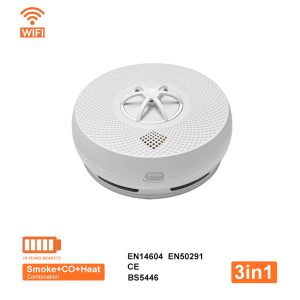
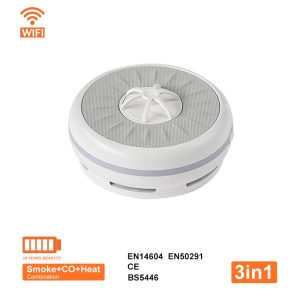
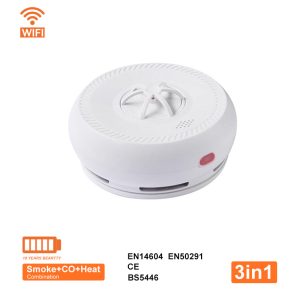
- Combination Heat & Smoke Detectors – Used where both hazards are possible.
Heat detectors are not ideal for early warning in living spaces (since smoke detectors respond faster to smoldering fires), but they excel in harsh or high-particulate environments.








Leave A Comment