

Difference Between Photoelectric and Ionization
Optical smoke alarms, also called photoelectric smoke detectors, have several advantages over their ionization counterparts. Optical smoke sensocs are less prone to false alarms and are faster at detecting slow-burning fires that produce more smoke. Such fires often originate from furniture or overheated wiring. Optical smoke detectors have a heightened sensitivity to larger particles in the air, enabling them to react quickly to these types of smoldering fires. This is because the smoke particles block the infrared light within the sensing chamber, causing it to scatter, and the alarm to sound. Optical sensing technology is highly effective in detecting smoldering fires and is thus a popular choice for homeowners and businesses looking to prioritize safety in fire detection systems.
Where the optical smoke alarms should be installed?
Optical smoke detectors are ideal for use in rooms such as bedrooms and living rooms, where soft furnishings and cables are common. They are also a great option for installation in downstairs hallways, as they are less likely to sound the alarm due to cooking fumes from the kitchen than ionisation alarms. However, they are not recommended for areas that are exposed to the elements or those with high levels of dust.

How optical smoke alarms work?
Optical smoke alarms, also known as photoelectric smoke detectors, operate by using a beam of LED light and a photoelectric cell to sense the presence of smoke. The alarm consists of a sensing chamber that includes an LED light source and a photoelectric cell.When smoke enters the sensing chamber, it scatters the LED light, which then activates the photoelectric cell, triggering the alarm. The sensors in optical smoke alarms are highly sensitive to larger smoke particles and can detect smoldering fires more quickly than other types of smoke detectors.Due to their ability to detect smoldering fires faster, optical smoke alarms are well-suited for sleeping areas, hallways, and other areas where people may not be present when a fire initiates.Optical smoke alarms are said to be less prone to false alarms than ionization smoke alarms, as they don’t react as quickly to steam or cooking fumes. This means that they provide reliable fire detection without causing unnecessary disruptions.

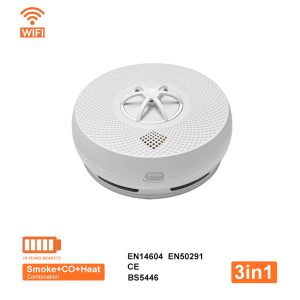
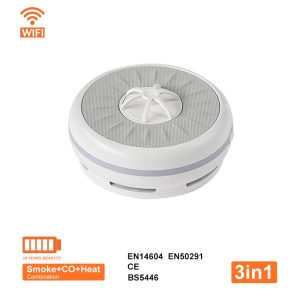
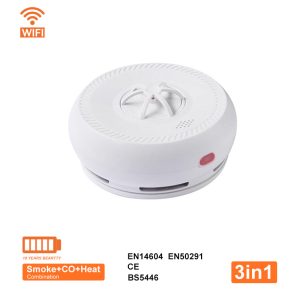
ANKA smoke alarms are engineered with the latest and most advanced photoelectric sensor technology, ensuring high performance in fire detection. The sensors used in ANKA smoke alarms are highly sensitive and reliable, capable of detecting smoke particles quickly and accurately. These sensors are designed to reduce the frequency of false alarms, which means they do not unnecessarily disrupt the lives of users. In the event of an actual fire, homeowners can trust ANKA’s smoke alarms to sound the alarm immediately and provide ample warning to ensure the safety of their families and property.








Leave A Comment