

According to home improvement websites and home service providers, hardwired smoke detectors are generally more expensive than battery-powered smoke detectors, primarily due to the increased complexity and cost of installation, as well as the need for a professional electrician. While the detectors themselves may cost about the same, the labor required to install them, especially in existing structures, can significantly increase the overall expense.
Here’s a more detailed summary from Anka Security:

Installation Complexity:
Hardwired detectors require wiring throughout the house, often requiring wires to be run through walls and ceilings. This can be time-consuming and may require opening walls, increasing labor costs.
Professional Installation:
Because hardwired detectors connect to the electrical system, they often require the expertise of a licensed electrician to ensure a proper and safe installation. Electricians’ rates can vary, but this adds a significant cost factor.
Additional Features:
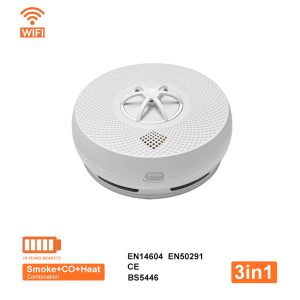
Hardwired detectors often have features such as interconnectivity (one alarm triggers all the alarms in the house) or integration with smart home systems, which can also increase the price.
Materials:
The wiring and other components required for a hardwired installation can also contribute to higher costs.
While battery-powered detectors are generally cheaper upfront and easier to install yourself, hardwired detectors are considered more reliable because they are powered by your home’s electrical system and have an emergency backup battery. This reliability often makes them the preferred choice despite the higher initial cost.







Leave A Comment