

That loud, high-pitched wail from the ceiling is enough to make anyone cringe. While smoke detectors are an inexpensive and essential way to protect your home and family, false alarms can be incredibly frustrating.

If your alarm is screeching at 3 AM for no apparent reason, you are not alone. Before we dive into the fixes, however, there is one golden rule you must follow.
⚠️ SAFETY FIRST: Always check for an actual fire first! Even if you are 99% sure it is a false alarm, quickly scan for smoke or flames. If you suspect a fire, evacuate immediately and call the fire department.
Once you are sure it is a false smoke alarm, here are the most common causes and how to solve them.
Top Causes of False Smoke Alarms (And How to Fix Them)
1. Cooking Smoke & Burnt Food
This is the most frequent offender. Burnt toast, overcooked popcorn, or greasy stovetop smoke can easily trigger a sensor.
✅ The Fix: Keep your detector a safe distance from the kitchen, but not so far that it wouldn’t catch a real kitchen fire. Placing it in the hallway just outside the kitchen is often the “sweet spot.”
2. Steam from Showers & Humidity
Smoke detectors can’t always tell the difference between dense steam and smoke. Hot showers or high outdoor humidity can trick the sensor into thinking there is a fire.
✅ The Fix: Turn on the bathroom exhaust fan while showering. If the detector is right outside the bathroom door, consider relocating it slightly further down the hall.

3. Dust and Dirt on Sensors
Dust particles can reflect light inside the detector (similar to how smoke does), leading to a false alarm. This is common in homes undergoing renovations or during spring cleaning.
✅ The Fix: Gently remove the outer casing. Use a vacuum attachment or electronic aerosol cleaner to remove dust, paying close attention to the sensor area. Be gentle!
4. Pesky Bugs
Tiny spiders and insects love the dark, undisturbed corners inside a smoke detector. Their movement or webs can trigger the alarm.
✅ The Fix: Use pest control spray *around* the device, but be careful not to spray directly onto the electronics. Natural remedies (like peppermint oil) can also deter bugs without damaging the sensor.
5. Low Batteries or Loose Connections
A dying battery often results in random “chirps” or full alarms. Sometimes, the battery connection is simply loose.
✅ The Fix: Open the unit and ensure the battery is seated correctly. If the problem persists, replace the batteries immediately.

6. Chemicals and Strong Fumes
Harsh chemicals from cleaning agents, paints, or even certain aerosol sprays can interfere with the sensor’s operation.
✅ The Fix: Ensure the area is well-ventilated when using strong chemicals. Avoid spraying cleaning products directly onto or near the device.
7. Water Leaks
If there is a roof or pipe leak near your detector, dripping water can cause a short circuit or trigger the humidity sensor.
✅ The Fix: Fix the leak! If water has gotten inside the unit, you will likely need to replace the smoke detector entirely.

8. End of Life (Time for a Replacement)
Did you know smoke alarms have a lifespan? Most units need to be replaced every 10 years. An aging unit may malfunction simply because it is old.
✅ The Fix: Check the manufacture date on the back of the unit. If it’s been a decade, it’s time for a new one.
Optimizing Your Smoke Detector Placement
If you have persistent issues, the location might be the problem. Here is where you should (and shouldn’t) place them:
- ✅ In Hallways: Ideal for catching smoke traveling between rooms.
- ✅ Near Fireplaces: Position them to catch potential chimney smoke.
- ✅ Near Stairways: Smoke rises, so upper hallways and stairs are key.
- ✅ In Every Bedroom: Essential for alerting sleeping family members.
- ❌ Directly Above Stoves: Move it to the adjacent hallway instead.
- ❌ Directly Outside Steam-Heavy Bathrooms: Give it a few extra feet of clearance.
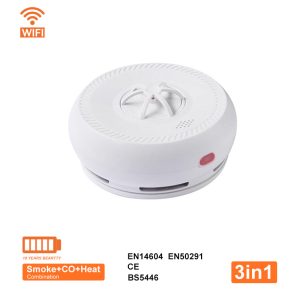
Upgrade to a Smart Smoke Detector
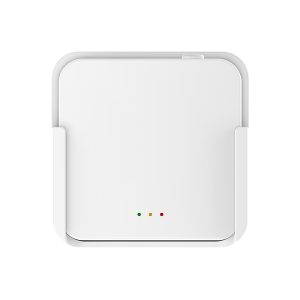
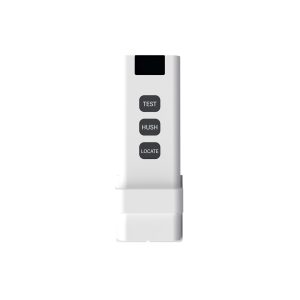
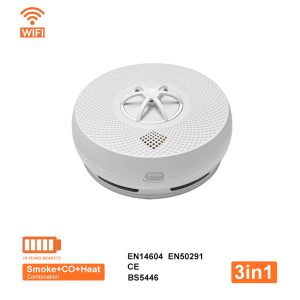
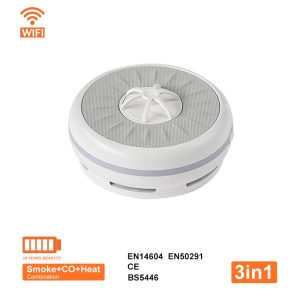
If you are tired of the hassle, consider upgrading to a Smart Smoke Detector. These modern devices offer several advantages:
- Smartphone Alerts: Get a notification on your phone if the battery is low or if an alarm is triggered, allowing you to disable false alarms quickly.
- System Integration: Connects with your home security system to automatically notify emergency services.
- Reduced Nuisance: Many smart models use advanced photoelectric sensors that are better at distinguishing between steam and smoke.







Leave A Comment