

yes, in most cases—especially for new homes, major renovations, or wherever local building codes require them. Even where not legally mandated, hardwired smoke alarms offer superior reliability and whole-home protection compared to battery-only models.

When Are Mains-Powered Smoke Alarms Required?
1. New Construction & Major Renovations
The most common scenario where mains-powered (hardwired) smoke alarms are mandatory is during new home construction or major remodeling. Most building codes require hardwired, interconnected smoke alarms with a battery backup in these situations.
2. Existing Residences & Upgrades
While older homes may not always be legally required to retrofit hardwired alarms, it is highly recommended. Many homeowners choose to upgrade when renovating or selling. A mains-powered system eliminates the all-too-common problem of dead batteries and ensures 24/7 protection.
3. Local Laws & Building Codes
Smoke alarm legislation varies significantly by location. Always check with your local fire department or building authority. Common standards include:
- UK: BS 5839-6 recommends mains-powered alarms with backup batteries for new domestic dwellings.
- Australia: AS 3786 mandates hardwired interconnected smoke alarms in residential buildings.
- US: The IRC (International Residential Code) requires hardwired smoke alarms with battery backup in new construction.

Why Choose Mains-Powered Smoke Alarms?
Reliability You Can Trust
Mains-powered alarms draw electricity directly from your home’s electrical system. Unlike battery-only units, they are far less susceptible to power failures—provided they have a functioning backup battery.
Whole-Home Interconnectivity
Many mains-powered systems can be interconnected. When one alarm detects smoke, every connected alarm sounds simultaneously. This provides critical early warning for large or multi-story homes.
Longer Lifespan & Lower Maintenance
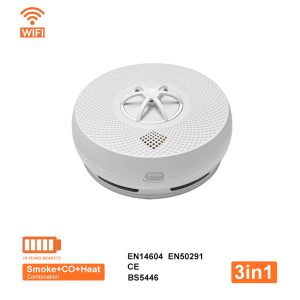
Modern hardwired alarms often include a sealed 10-year lithium backup battery. This reduces the need for frequent battery changes and minimizes the risk of the alarm being disabled due to nuisance beeping.
Essential Installation & Maintenance Tips
- Hire a Qualified Electrician: Mains-powered alarms must be installed by a licensed professional to ensure proper wiring and compliance with safety codes.
- Never Skip the Backup Battery: In a power outage, the backup battery is your only line of defense. Test it regularly.
- Test Monthly, Replace Every 10 Years: Press the test button once a month and vacuum the unit every six months to remove dust.

Frequently Asked Questions
Can I install mains-powered smoke alarms myself?
No. For safety and legal compliance, mains-powered smoke alarms should always be installed by a qualified electrician.
Are battery-only alarms ever acceptable?
In some existing homes where wiring is not feasible, sealed 10-year battery alarms are an acceptable alternative. However, always check your local regulations as requirements differ.






Leave A Comment