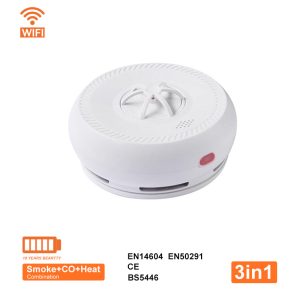
Colorless and odorless, carbon monoxide can be deadly. A reliable CO detector can alert you before dangerous levels build up.
What Is a Carbon Monoxide Detector?
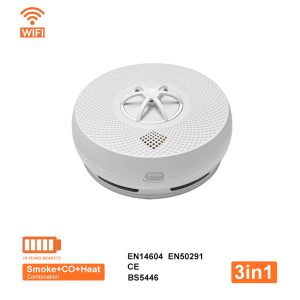
Carbon monoxide (CO) is a colorless, odorless, and tasteless toxic gas produced by incomplete combustion of fuels. Because it is hard for humans to detect, a carbon monoxide detector provides an early warning with audible and visual alarms.
The device monitors CO concentration in the air and triggers an alarm before levels become hazardous.
Note: Never rely on a detector as a substitute for proper installation, use, and maintenance of fuel-burning appliances.

How It Works
When the detector senses CO levels above the safety threshold, it responds immediately:
- Indicator light flashes rapidly
- Loud continuous beeping sound is emitted
Specific alarm patterns may vary by model. Always refer to your user manual for exact indications.
Test the Detector Regularly
To ensure your detector works properly, test it monthly:
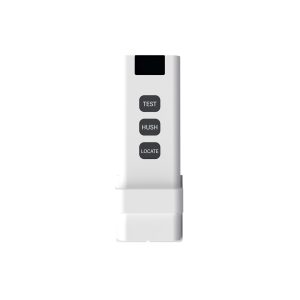
- Press and hold the “TEST” button for several seconds.
- Check that the indicator light flashes and the alarm sounds as described in the manual.
- If needed, replace the battery according to low-battery signals shown in the manual.
If the test fails, stop using the device and contact the manufacturer. For detailed installation, maintenance, and testing steps, see the product guide.
Respond Immediately If the Alarm Sounds!
If your carbon monoxide detector goes off, follow these steps right away:
- Assume a dangerous CO leak and evacuate all occupants quickly.
- Do NOT use telephones, electrical switches, lights, garage door openers, doorbells, radios, TVs, or cell phones. Any spark can ignite the gas and cause fire or explosion.
- Do NOT remove the detector’s battery to silence the alarm—this may create a spark.
- Do NOT assume someone else will report the leak; take action yourself.
- From a safe distance (about 100 meters / length of a football field), call your gas company’s emergency line or 911. Give the exact location, cross streets, and mention any recent appliance repairs or nearby excavation work.
- Do NOT re-enter your home or building until gas company personnel confirm it is safe.

If You Have Children at Home
- Keep small children away from the unit and prevent them from playing with it.
- Explain what the different lights and alarm sounds mean.
- Teach children to leave the house immediately and tell a trusted adult if the unit starts flashing or beeping.
Conclusion: Prevention Is Better Than Reaction
A carbon monoxide detector is a vital defense against life-threatening poisoning. Combine proper appliance use, regular maintenance, and family emergency education to greatly reduce risk. Choose certified models and install them near bedrooms and on every floor for round-the-clock protection.