

What Triggers a Carbon Monoxide Alarm?
When a carbon monoxide alarm detects harmful levels of the gas in the air, it will sound.
Potential causes that can trigger a CO alarm include:
1. High CO Levels:
Appliance Malfunctions: Faulty combustion appliances, such as furnaces, gas stoves, or fireplaces, can release carbon monoxide.
Insufficient Ventilation: Clogged ventilation systems can cause CO to build up inside a room instead of being safely vented outside.
Generators: Using generators or other gas appliances indoors can produce CO.
Charcoal Grills: Using charcoal or gas grills indoors or in unventilated spaces can produce CO.
2. Low Battery or Alarm Malfunction:
Many CO detectors emit a specific, intermittent sound to indicate a low battery or device failure. This sound is different from the alarm that indicates high levels of CO.
3. False alarms:
Environmental factors: Some chemical gases in the air, such as solvents or paint fumes, can trigger a false alarm.
Moisture or steam: High levels of humidity or steam near the detector can cause false alarms in some models.
Dust or debris: Dust buildup inside the detector can interfere with its operation.

What to do if the alarm goes off:
Evacuate immediately: Leave the home and go to a well-ventilated area. If possible, open doors and windows to ventilate the area.
Watch for symptoms: Watch for symptoms such as headache, dizziness, nausea, or confusion, which may indicate carbon monoxide poisoning.
Contact emergency services: Call your local emergency services or fire department for immediate assistance.
Identify and address the cause: Have your appliances and ventilation system professionally inspected to identify and eliminate the source of the carbon monoxide.
Taking prompt action in the event of an alarm is essential. Regular checks and maintenance on combustion appliances and fireplaces can minimize the risk of carbon monoxide exposure.

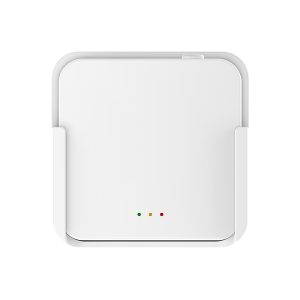
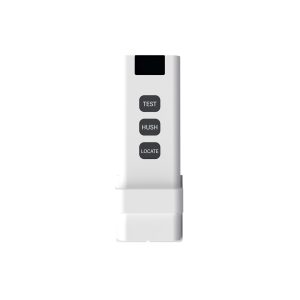
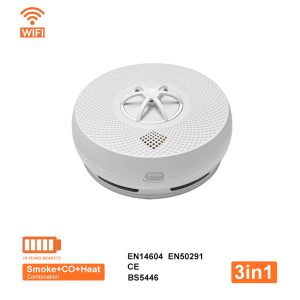
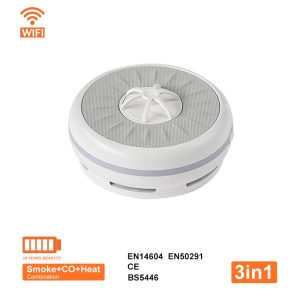
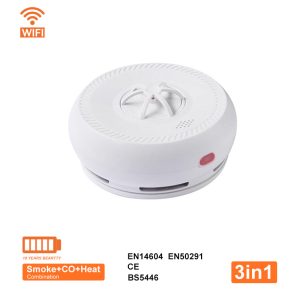
AJ-981 Interconnected Gas detector







Leave A Comment