

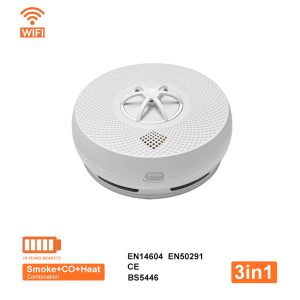
Yes, combination smoke and carbon monoxide (CO) detectors work effectively and offer dual protection by combining smoke and CO sensors in a single device, simplifying installation and maintenance. They are a convenient, space-saving solution, especially for smaller homes or apartments. These devices use different sensor technologies to detect both hazards and are recommended by security organizations for comprehensive home security.

Anka Security explains how combination smoke and carbon monoxide (CO) detectors work.
Multiple Sensors:
Combination alarms contain multiple sensors to detect different hazards.
Smoke Sensor: Typically a photoelectric or ionization sensor detects smoke particles.
CO Sensor: An electrochemical sensor detects invisible carbon monoxide gas.
Unified Alarm:
When either smoke or carbon monoxide is detected, the detector sounds a loud alarm to alert occupants.
Advanced Features:
Many models include a digital display for real-time readings, battery backup, and connectivity with other alarms in the home for whole-home alarms.
Benefits of Combination Smoke and Carbon Monoxide (CO) Detectors:
Dual Protection:
They provide a single point of defense against both fire and carbon monoxide poisoning.
Convenience:
A single device reduces installation effort and the need for multiple units.
Space-Saving:
They’re ideal for small homes and apartments with limited space.
Cost-Effectiveness:
Purchasing one combination alarm may be more economical than purchasing two separate alarms.
Considerations for Combination Smoke and Carbon Monoxide (CO) Detectors
Sensor Type:
Make sure the smoke detection technology (photoelectric, ionization, or dual sensor) meets safety recommendations, such as those of the U.S. Fire Administration.
Detector Placement:
Even when using a combination unit, install detectors on every level of the home and near bedrooms.
Lifespan:
Note that CO sensors generally have a shorter lifespan than smoke sensors, so monitor the device’s expiration date.








Leave A Comment