

Yes, you need both smoke and carbon monoxide (CO) detectors because they detect different, deadly threats. Smoke alarms alert you to fires, while carbon monoxide detectors warn you of the presence of colorless, odorless CO gas, which is released by fuel-burning appliances. Even homes with combination units require proper detector placement to be effective.
Why You Need Smoke and Carbon Monoxide Detectors
Different Hazards:
Smoke alarms detect smoke from fires, but not carbon monoxide. Carbon monoxide, which can exist without visible smoke or flames, is a toxic gas that can cause sudden illness or death.
Incomplete Protection:
Smoke alarms alone are not enough to ensure fire safety. Carbon monoxide alarms alone won’t alert you to a fire, so you’ll miss both risks.
Complete Safety Net:
Having both types of detectors creates a comprehensive safety system for your home, covering the threats of both fire and carbon monoxide poisoning.
Smoke and Carbon Monoxide Detector Placement Guide
Smoke Alarms: Install smoke alarms on every level of your home, outside every sleeping area, and in every bedroom.
Carbon Monoxide Alarms: Install carbon monoxide alarms on every living floor and outside sleeping areas.
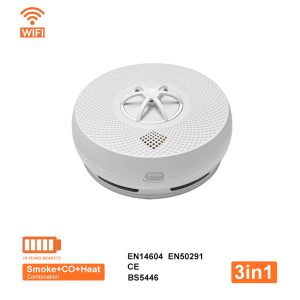
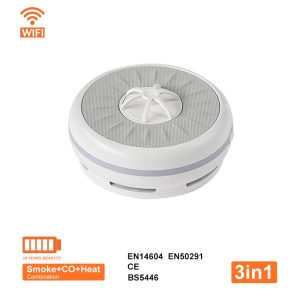
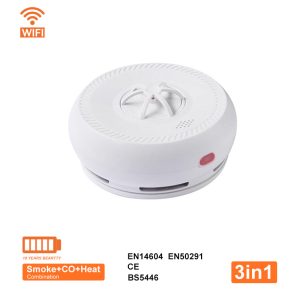
Combination Alarms: For convenience, you can use combination smoke and CO alarms, but make sure they are properly placed.
Notes on Smoke and Carbon Monoxide Detectors
Monthly Testing:
Test all alarms monthly to ensure they are functioning properly.
Check Batteries:
Replace batteries at least once a year, or when the alarm starts to chime, indicating low battery.
Regular Replacement:
Replace smoke alarms every 10 years or according to the manufacturer’s instructions.
Check Regulations:
Verify your area’s requirements, as many state and local laws require both types of detectors.








Leave A Comment