

What is an Interconnected Smoke Alarm?
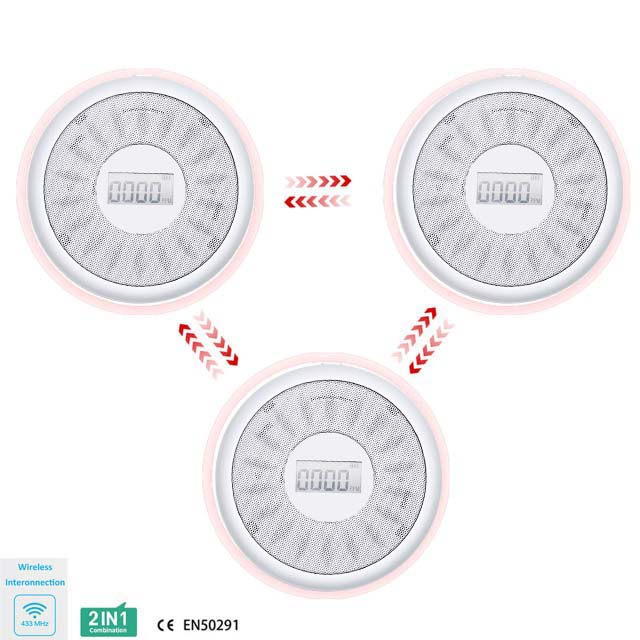
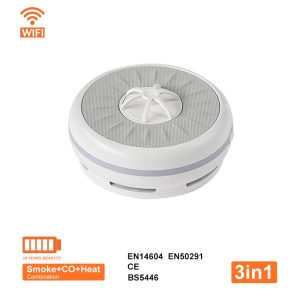
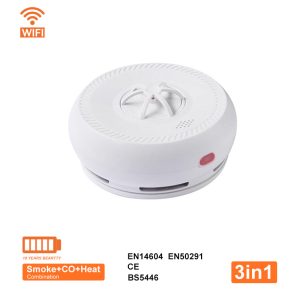
An interconnected smoke alarm is a type of smoke detector that can work in tandem with other units to detect fire hazards. It can be connected either via wired or wireless connections. When one smoke alarm detects smoke from a fire, all interconnected smoke alarms will sound an alarm simultaneously. Compared to standalone smoke alarms, interconnected alarms provide an additional layer of safety for your home.
Advantages of Interconnected Alarms
1:Linked Alarming: If one unit detects smoke from a fire, all alarms in the network will trigger simultaneously, quickly alerting everyone in various areas.
2:Enhanced Safety: These alarms are especially effective in larger spaces or multi-room environments, making them ideal for homes, offices, and public venues.
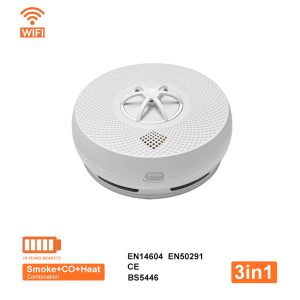
3:Convenient Management and Monitoring: Some interconnected smoke alarms can be monitored via a mobile app, allowing you to easily check the status of each device and review alarm history.
The interconnected feature greatly enhances fire detection and notification efficiency, enabling fire alerts to be transmitted swiftly across all units.

How Many Smoke Alarms Can Be Interconnected?
In general, the number of interconnected smoke alarms on the market ranges between 10 and 50 units, depending on the brand and the communication technology used.
Relative to ANKA’s interconnected smoke alarms offer an unlimited connection capacity, with a maximum connection distance of up to 200 metres. This greater connection range and number of devices make it adaptable to a wider variety of locations, providing enhanced safety coverage.








Leave A Comment